Supporting Your GLP-1 Journey: Nutrition & IV Therapy Tips
Safe strategies to manage side effects, support metabolic health, and make the most of your treatment.
Peptides Are Trending… And GLP-1s Are One of Them
Hi guys! Have you also been hearing about peptides everywhere lately?
Everywhere I go, people are talking about peptides for health, wellness, and performance. So lets join in on the conversation.
Simply put, peptides are short chains of amino acids, and yes, GLP-1 medications fall into this category too. Medications like Ozempic, Wegovy, and Mounjaro are synthetic versions of the naturally occurring GLP-1 hormone in your body.
I use these medications in patients who need structured metabolic health support, and I’ve seen excellent results – especially when they’re combined with the right nutrition and hydration plan.
But like anything powerful in life, they too need proper support structures in place to work well.
How GLP-1 Medications Work in the Body
- Brain: Reduce hunger and cravings, helping you feel full sooner
- Stomach: Slow digestion, keeping you satisfied longer and reducing blood sugar spikes
- Pancreas: Stimulate insulin release for healthy blood sugar regulation
- Liver: Improve glucose storage and stability
- Muscles: Help muscles use glucose more efficiently
When paired with proper GLP-1 weight loss nutrition, I’ve seen patients experience:
- Improved appetite control
- Better energy
- More stable blood sugar
- Improved lab results
However, side effects like nausea, fatigue, digestive changes, and potential nutrient deficiencies may also occur, which is why GLP-1 medication support is so important.
5 Nutrition Strategies I Use for GLP-1 Weight Loss Support
Whether you’re newly started or on treatment long-term, this is the nutrition foundation I use for Ozempic users and other GLP-1 patients:
- Make Protein a Priority
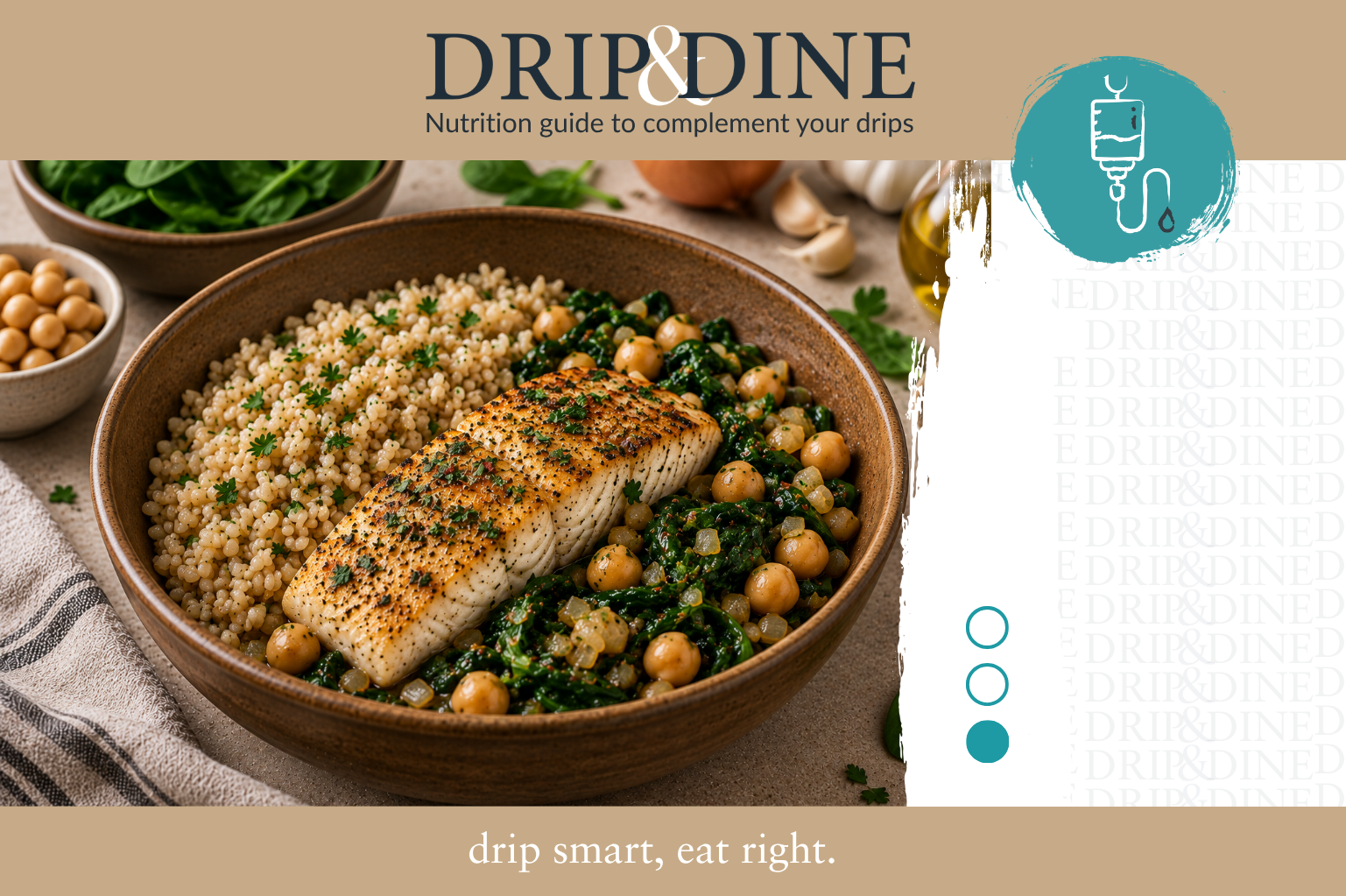
I’ve found that including protein at every meal helps my patients stay full, maintain muscle, and support metabolism. Eggs, fish, Greek yoghurt, or plant proteins like tofu and lentils usually work well. - Load Up on High-Fibre Vegetables
Adding vegetables like spinach, broccoli, and zucchini keeps digestion smooth and helps my patients feel satisfied for longer without spiking their blood sugar levels. - Include Healthy Fats
I encourage my patients to avoid processed fats but do include healthy fats such as avocado, olive oil, nuts, and seeds to support energy and provide anti-inflammatory nutrients in balanced amounts. - Stay Hydrated
Lower appetite often means lower fluid intake. Water and electrolytes make a noticeable difference in energy and digestion. - Focus on Small, Nutrient-Dense Meals
When appetite is reduced, I find my patients do best with small, high-quality meals or snacks, like smoothies, soups, or balanced plates, to make sure they’re still getting the nutrients they need.
Quick Meal Ideas
- High-protein Greek yoghurt with berries
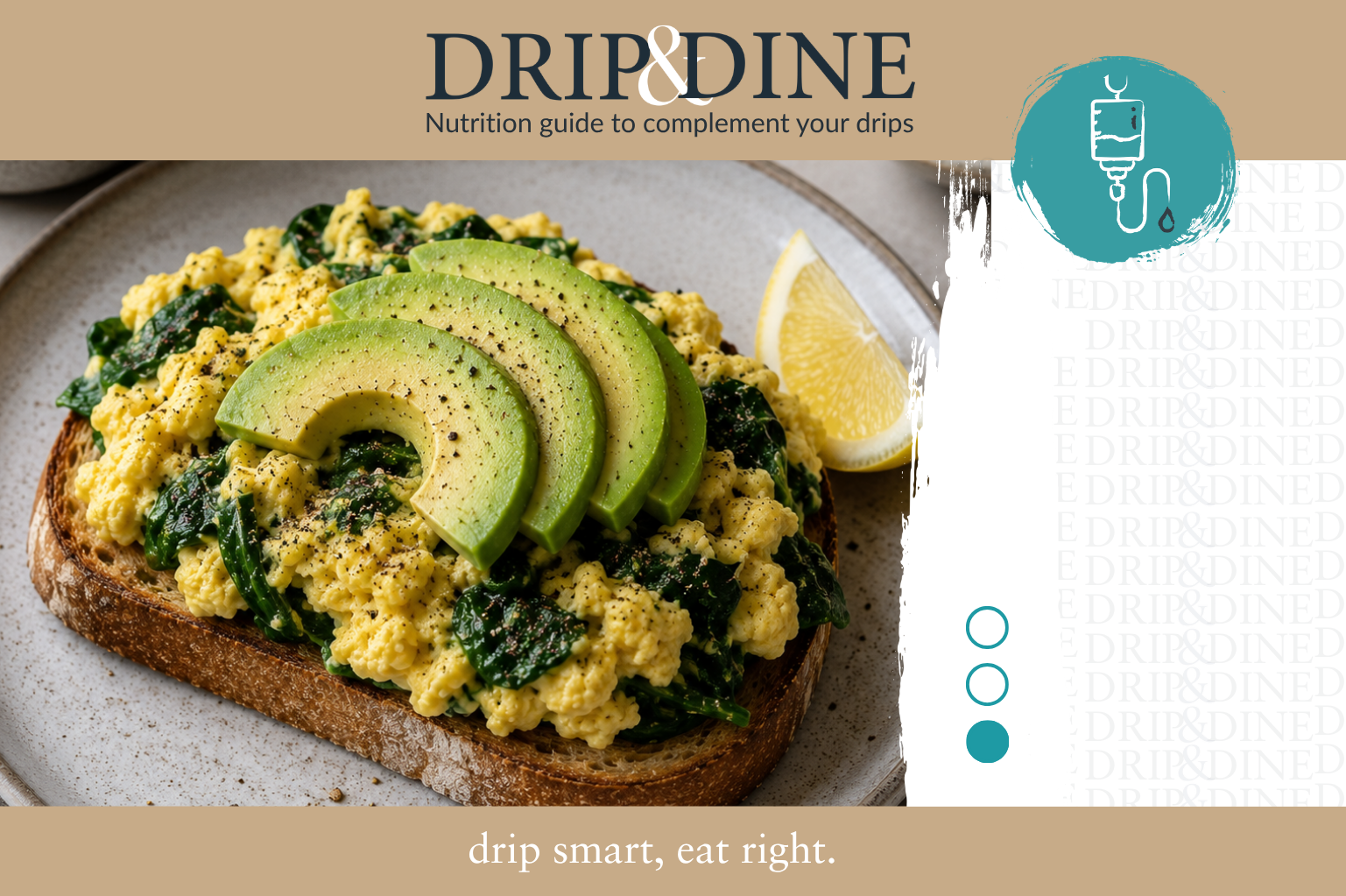
- Avocado toast with a poached egg
- Nutrient-dense smoothies or soups

GLP-1 Side Effects Management
GLP-1 medications can be very effective, but they don’t come without their challenges.
The most common issues I see include protein and micronutrient deficiencies (Vitamin D, calcium, iron, B12, B1, magnesium, electrolytes), nausea, gastrointestinal changes (constipation), and fatigue.
Even with good nutrition habits, these can still occur. Here’s what I’ve found works to combat them:
For nausea:
Small, frequent meals. Simple, easy-to-digest foods like soups, crackers, ginger tea.
For fatigue:
Pair lean protein with complex carbs to stabilise energy.
For digestive changes:
Increase fibre gradually, hydrate well, and include probiotic-rich foods.
For low appetite:
Focus on smaller, nutrient-dense options rather than large meals.
This is where a structured metabolic health support plan makes all the difference.
Supplements & IV Therapy for GLP-1 Patients
Sometimes food alone isn’t enough.
In my clinical experience, targeted supplementation and IV therapy for GLP-1 patients can help to bridge nutritional gaps, especially when appetite is significantly reduced.
Suggested Support:
- IV Drips (based on individual assessment):
- Oral Supplements:
- Terranova Calcium Magnesium Complex
- Vitamin D
- Digestive enzymes (Phytoceutics’ Bettergut® or Terranova’s Digestive Enzyme Complex)
- Terranova’s Easy Iron Complex
When done right, safe IV vitamin therapy can help maintain energy, hydration, and micronutrient levels, particularly in patients struggling with fatigue or inadequate intake.
As always, this should be individualised and professionally guided.
Important Note
Although serious side effects are rare, contact your doctor immediately if you experience:
- Severe abdominal pain
- Persistent vomiting
- Unusual changes in mood or energy
Simple, realistic solution to support your GLP-1 journey
GLP-1 Support Consultations
If you’re on GLP-1 medication and feeling unsure about what to eat, how to manage side effects, or whether IV therapy is appropriate for you, know you don’t have to navigate it all alone.
I offer personalised GLP-1 medication support consultations online or at my Sandton office. Feel free to contact me at my number below.
Together, we can build a realistic, sustainable plan that supports your:
- Weight management
- Metabolic health
- Side effect management
- Safe, appropriate IV therapy where needed
Let’s make your GLP-1 journey safe, effective and sustainable.
Healthiest regards
Leigh-Ann Silber RD(SA)
Registered Dietitian | IV Wellness Partner