Nutrition through every stage of a woman’s life.
A quick note before we dive in: this one goes out to everyone on our Drip & Dine list, not only the women reading it. So even if you’re not of the female sex, stay with us – understanding the women in your life a little better (a partner, mother, sister, daughter or friend) starts with understanding what their bodies actually need, at every stage.
Skin breakouts at fifteen.
Exhaustion at thirty.
Sleep that falls apart at forty-eight.
A fracture at seventy that changes everything.
At first glance, these look like completely different problems.
But they’re not. They’re all part of the story of a woman’s changing nutritional needs.
I see this in my work every week: the teenager struggling with problem skin, the woman in her thirties who feels exhausted and wonders why her “normal” blood results don’t explain how she feels, and the woman approaching menopause who suddenly finds that the strategies that worked for her body before no longer seem to do a thing.
And I’m experiencing this transition too, navigating my own changing needs while raising a daughter who is entering her own next chapter.
Sure, August was Women’s Month here in South Africa, and that has since passed – but it left me wanting to keep this conversation going long after the month itself ended.
So, in this newsletter, I’d like for us to look at nutrition a bit differently. Not as one diet that fits every woman, but as nutrition that evolves with you.
Find your stage below, and discover what your body needs.
1. Teen Years
Adolescence: Investing in Future Health
Skin · Iron · Bones
The foundations you build now matter later.
Skin
Hormones play a major role in acne, but nutrition can also influence skin. A diet high in refined, high-glycaemic foods may worsen acne in some people. Rather than eliminating foods unnecessarily, focus on a balanced, lower-GI eating pattern.
Iron
Once periods start, iron needs increase. Fatigue, poor concentration and low energy shouldn’t automatically be blamed on being a teenager.
Bones
Adolescence is a crucial time for building bone mass.
3 Things to Focus On
- Eat iron-rich foods regularly
- Include calcium-rich foods daily
- Choose wholegrains, vegetables, fruit and protein over highly processed foods
Think of the teenage years as an investment in your future health.
2. Your 20s–40s
Building Reserves for Life
Energy · Hormones · Reproductive Health
These are often the busiest years of a woman’s life – and the years when nutrition gets pushed to the bottom of the list.
Iron
Heavy periods can gradually deplete iron stores. If you’re persistently tired, don’t simply accept that it’s “stress”.
Folate
Planning a pregnancy? Folic acid is important before conception, because early fetal development happens before many women know they’re pregnant.
Hormonal & Metabolic Health
Conditions such as PCOS can affect reproductive and metabolic health. Regular meals, adequate protein, high-fibre carbohydrates and movement can all form part of a supportive lifestyle.
Your Nutrition Priorities
- Protein at each meal
- Plenty of iron- and folate-rich foods
- Fibre-rich carbohydrates
- Healthy fats
- Don’t ignore persistent fatigue or heavy periods
Looking after yourself isn’t a luxury – it’s building your nutritional reserves for the future.
3. Pregnancy & Postpartum
Dual Nourishment
Nourish her. Nourish baby. Nourish recovery.
Pregnancy places extra nutritional demands on the body, but the mother’s nutrition shouldn’t stop being important once the baby arrives.
During Pregnancy
Iron, folate, iodine, calcium, vitamin D, omega-3 fats and protein all play important roles.
After Birth
Recovery takes time. Breastfeeding also places additional nutritional and energy demands on the body.
Remember
- Eat regularly
- Include protein in meals and snacks
- Choose nutrient-dense foods rather than simply eating more
- Continue paying attention to iron, calcium, vitamin D, iodine and B12
- Don’t rush into restrictive diets after pregnancy
Postpartum nutrition is about rebuilding – not simply losing the baby weight.
4. Perimenopause & Menopause (40s–50s)
Navigating the Shift
Muscle · Bone · Metabolic Health
As oestrogen and other hormone levels change, women may notice shifts in body composition, sleep, appetite, muscle and bone health.
Protein Matters
Aim to include a good source of protein at every meal to support muscle maintenance.
Bones Need Attention
Bone loss accelerates around the menopausal transition. Calcium, vitamin D, protein and weight-bearing exercise become increasingly important.
Strength Is Health
Resistance training isn’t just about looking toned. It’s about maintaining muscle, strength, bone health and independence.
Make These Non-Negotiable
- Protein at every meal
- Calcium-rich foods daily
- Strength training 2–3 times a week
- Plenty of vegetables and fibre
- Regular movement and adequate sleep
This is a new nutritional chapter. Don’t wait until menopause is over to start protecting your bones and muscle.
5. 55+ Years
Ageing With Strength
Protecting Strength, Bone & Brain
Healthy ageing isn’t about eating less. It’s about getting more nutrition from what you eat.
Protein
Muscle becomes increasingly important as we age. Spread protein throughout the day rather than saving most of it for dinner.
Bone Health
Calcium and vitamin D remain important, alongside weight-bearing and resistance exercise.
B12
Absorption of vitamin B12 can become less efficient with age. If you’re at risk of deficiency, speak to your healthcare professional about whether testing is appropriate.
Brain Health
Cognitive health deserves the same attention as muscle and bone. Omega-3 fats, B vitamins, colourful plant foods and stable blood sugar all support brain health – alongside physical activity and staying socially connected.
Focus On
- Protein at each meal
- Calcium-rich foods
- Vitamin D sources
- Colourful vegetables and fruit
- Oily fish or omega-3 sources
- Fibre and fluids
- Strength, balance and weight-bearing exercise
- Movement and connection — both support brain health
The goal isn’t simply more years. It’s more strong, active and independent years.
There is no “perfect diet for women”
There is only the right nutritional focus for where you are now.
- Teens: build strong foundations
- 20s–40s: build reserves & support reproductive health
- Pregnancy: nourish growth & recovery
- Perimenopause: protect muscle, bone and metabolic health
- 55+: maintain strength, mobility & brain health
You don’t have to change everything. Choose one thing your body needs more of right now, and simply start there.
And if you’d like a little extra guidance choosing where to start, one of The IV Bar’s Registered Nurses can help you find the best drip or supplement for your individual needs. Book a session, or simply walk in at your nearest IV Bar for a professional consultation.
Free Download: Blood Tests Across the Female Life Course
“What should I actually be testing?” is one of the questions I’m asked most often.
The answer depends on your stage, symptoms and history – but knowing what to ask about changes the conversation you have with your doctor.
This practical guide* covers tests worth discussing at each life stage, plus a checklist you can take to your next appointment.
*Educational guide only, designed to support your conversation with your healthcare professional, not replace it.
Click here to view the Women’s Health Blood Test Guide.
Drip & Dine Recipes
From knowledge to your plate
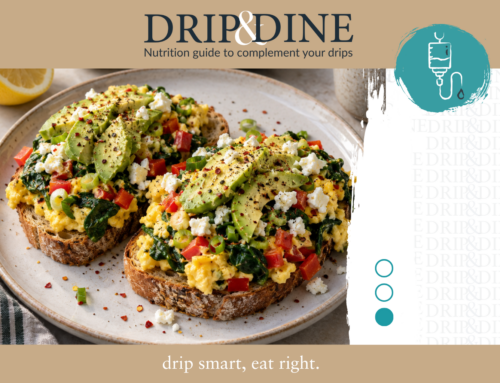
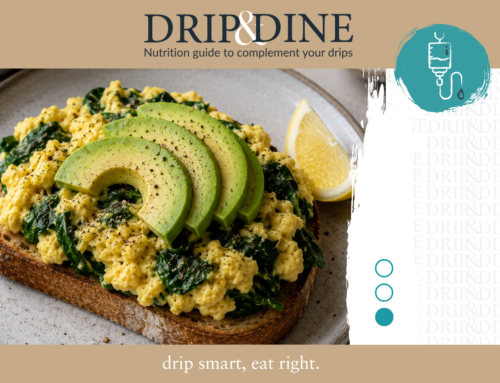
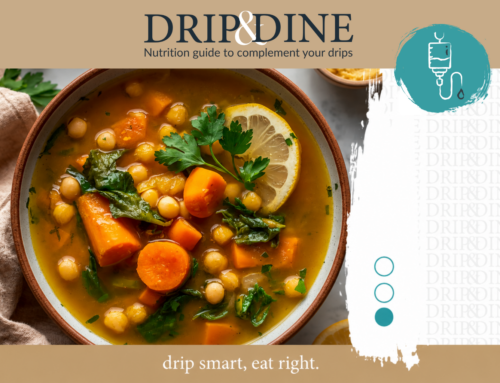
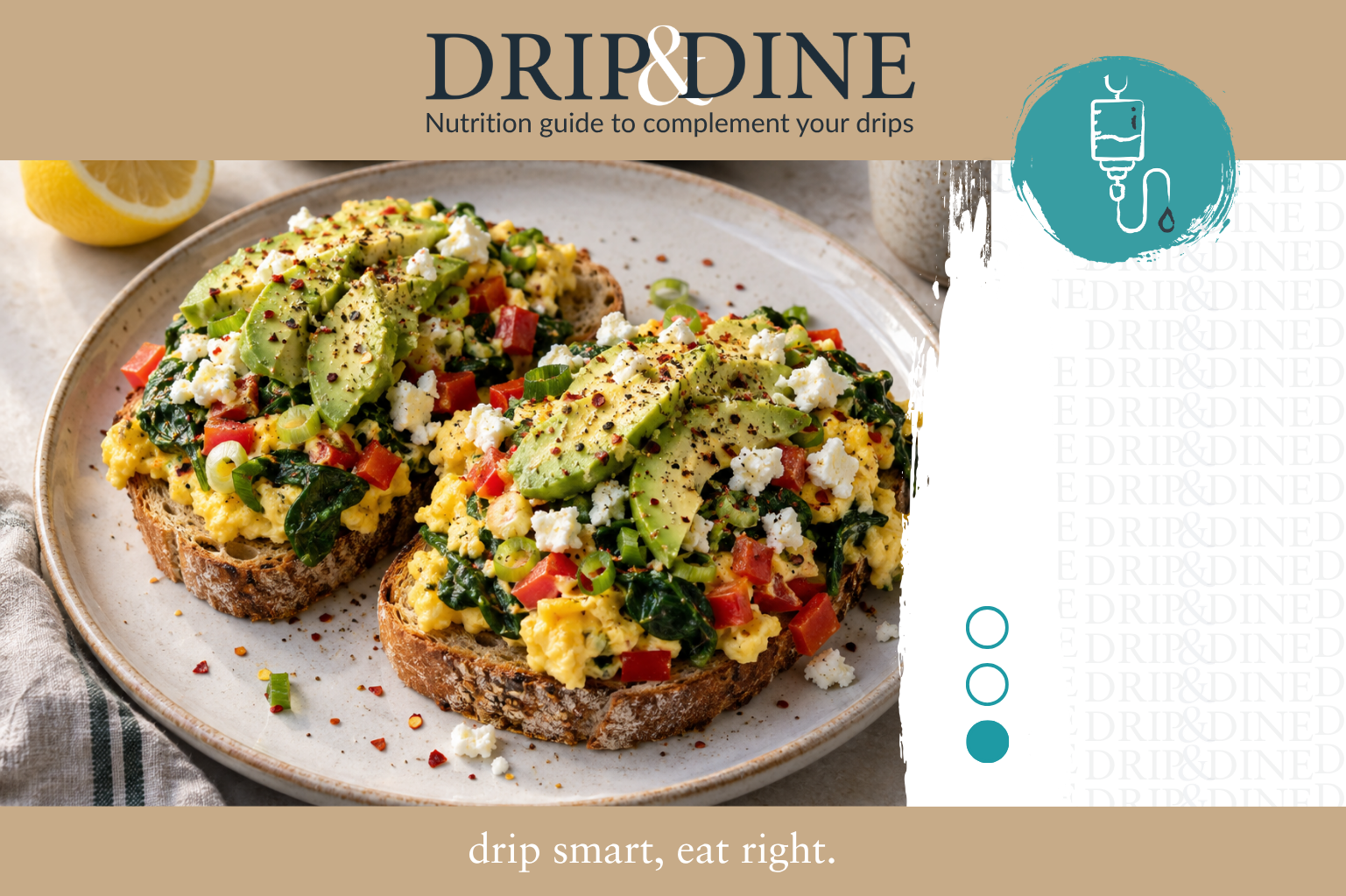
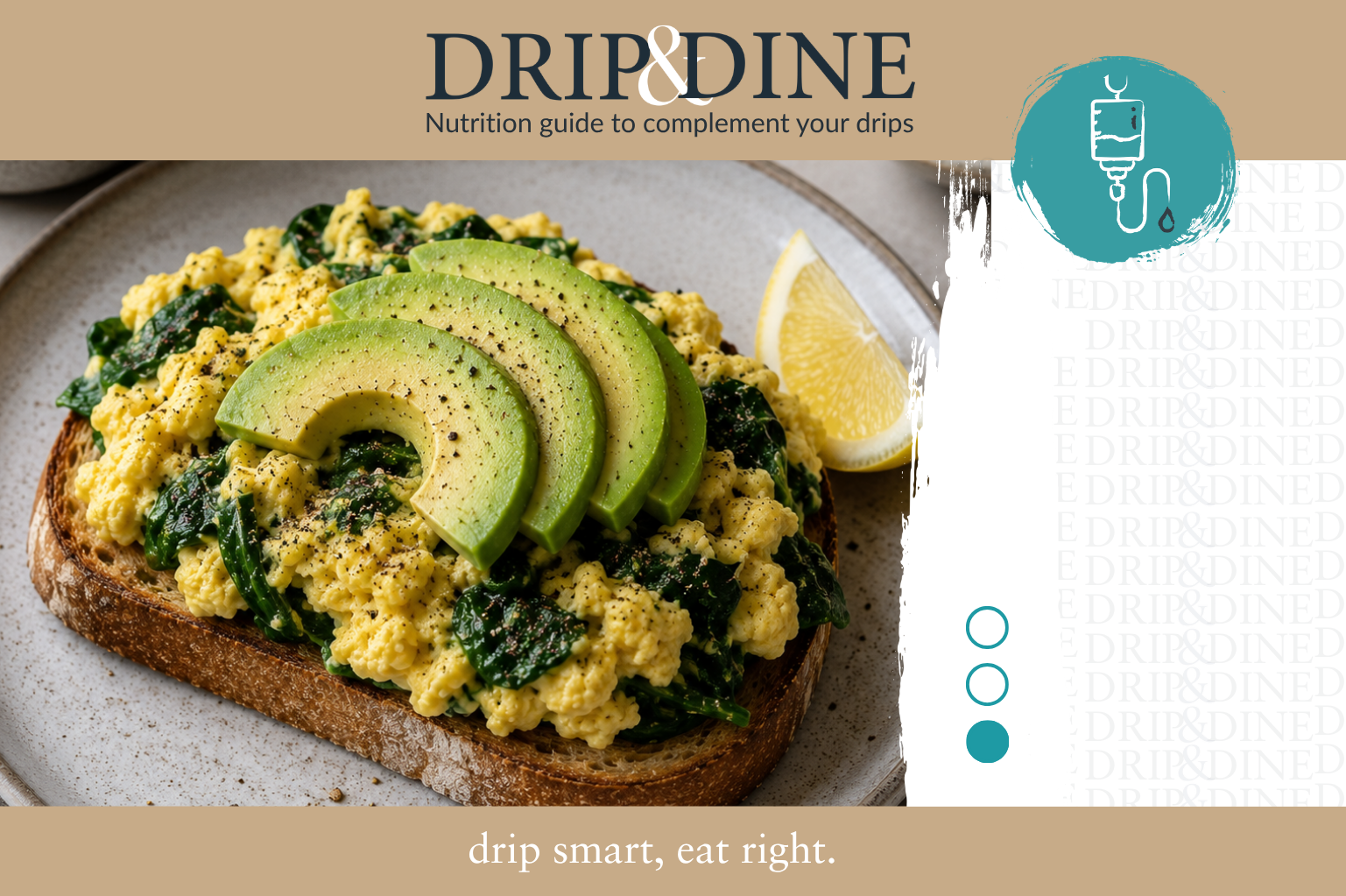
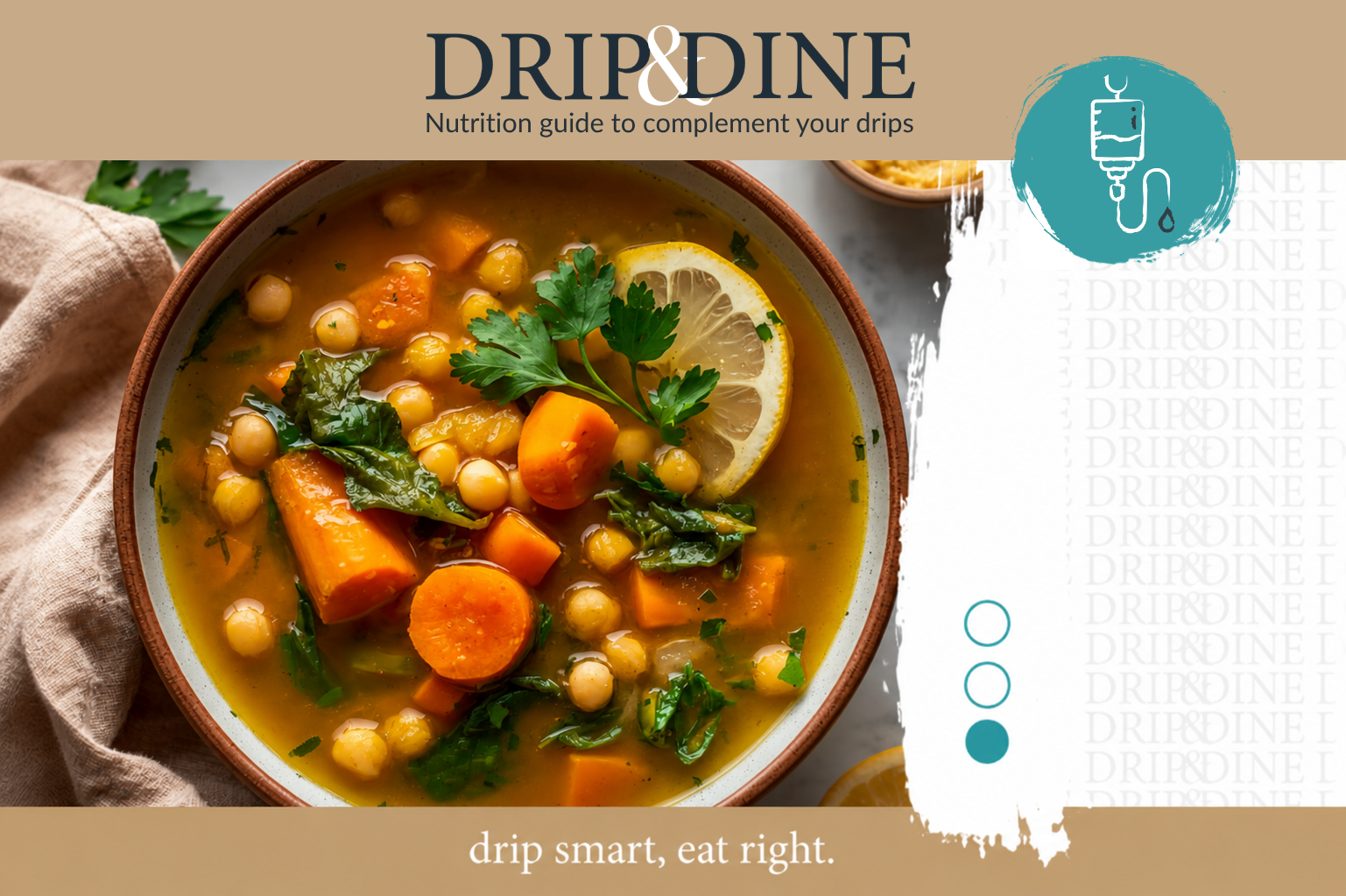
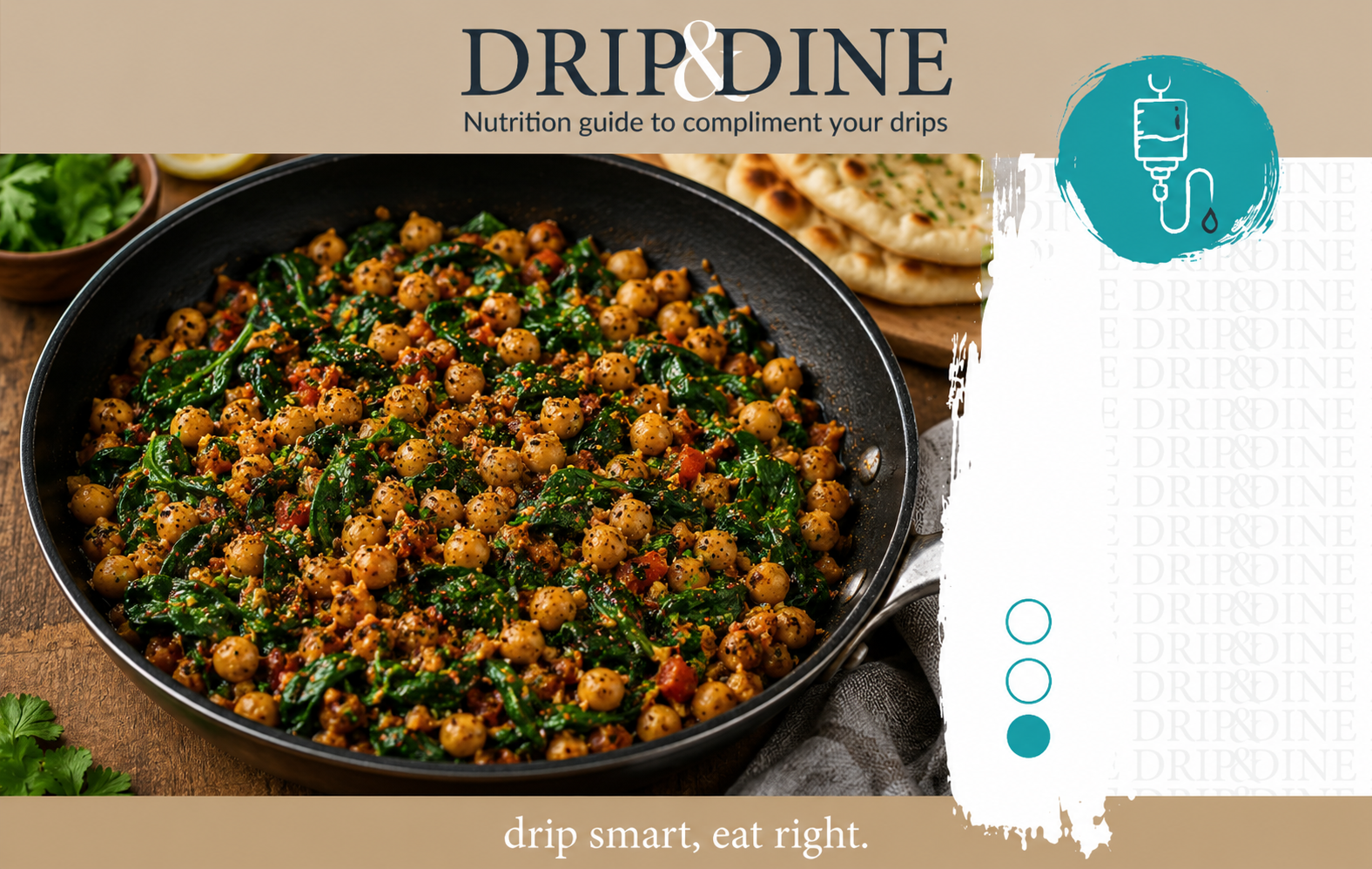
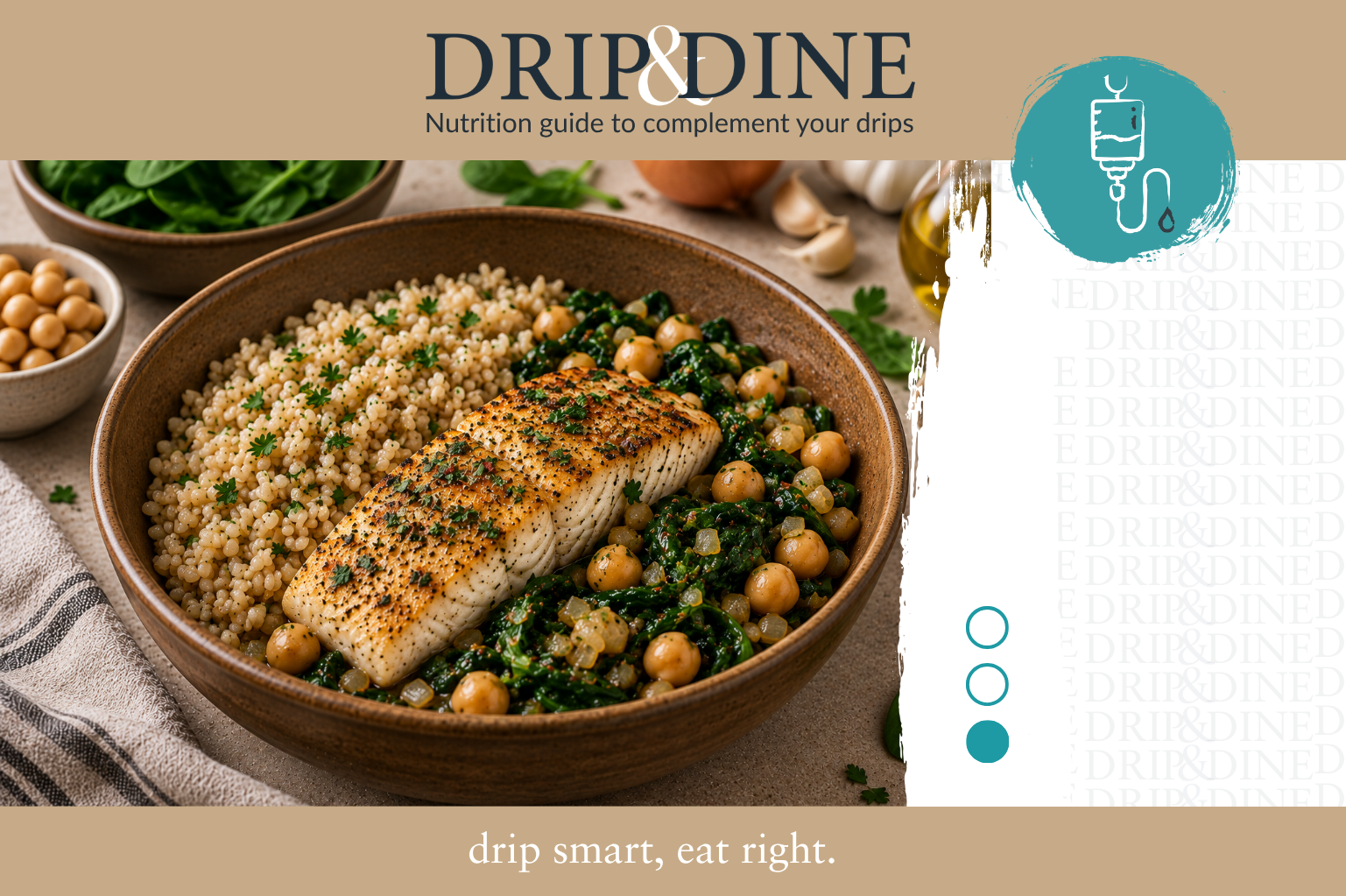
I’ve included two simple, nourishing recipes in this month’s newsletter to help turn some of these principles into something practical.
Because nutrition shouldn’t just be something you read about.
It should be something you can enjoy, share and make part of everyday life.
“Your nutritional needs don’t stay the same throughout your life. The goal isn’t to follow the perfect diet – it’s to understand what your body needs at each stage, and nourish it accordingly.”
Know a woman at a different stage to you?
Send this to your mom, your daughter, your sister, your friend. Women’s wellness should be a community effort, all 12 months of the year.
Yours in health,
Leigh-Ann Silber RD(SA)
Registered Dietitian | IV Bar Wellness Partner
Want a personalised winter nutrition plan? I’m available online and in Sandton.