A deeper look at the gut microbiome and how personalised nutrition can change the way you feel.
Let me tell you something I say to my clients almost every week:
“If you want to understand your health, start with your gut.”
And I mean it every single time.
Your gut is not just where digestion happens. It’s where your immune system lives, where your mood is regulated, and where inflammation begins (or ends.) In many ways, it’s the control centre of your overall health.
I’ve been talking about gut health with clients for years, but lately, the conversations have deepened. More and more people are coming to me with symptoms they’ve tried to manage for months – even years – without real answers:
• Bloating that comes and goes with no obvious trigger
• Fatigue that sleep doesn’t fix
• Skin flare-ups despite a “clean” diet
• Anxiety that feels out of proportion
• Immune systems that seem constantly on edge
And in most of these cases?
The gut is at the centre of it all.
What Does a “Healthy Gut” Actually Mean?
It’s one of those terms we use often, but it’s more nuanced than most people realise.
A healthy gut means having a diverse, balanced community of microorganisms – bacteria, fungi, and other microbes – living in your digestive tract. This is your gut microbiome, and it’s as unique to you as your fingerprint.
When it’s balanced and thriving, it does remarkable things:
- Breaks down food and extracts nutrients your body can’t access on its own
- Produces short-chain fatty acids that support your gut lining and reduce inflammation
- Synthesises certain B-Vitamins and Vitamin K
- Regulates your immune response (up to 70% of your immune system lives in your gut)
- Communicates with your brain via the gut-brain axis, influencing mood, sleep, and stress
- Protects against harmful pathogens
When this balance is disrupted – a state called dysbiosis – the effects don’t stay local.
Your gut sends signals.
Signs Your Gut Might Be Struggling
Many symptoms that get written off as “just stress” or “getting older” may have their roots in gut health: 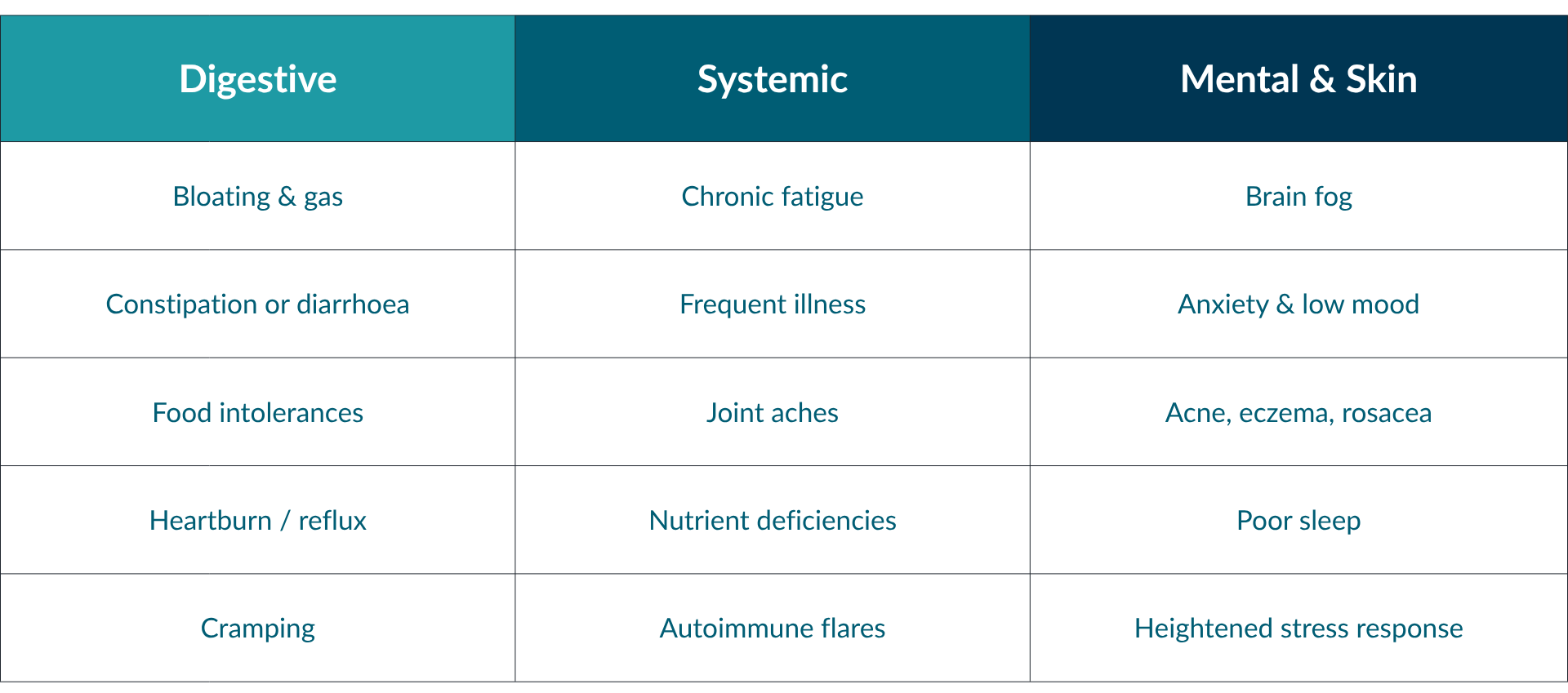
Recognise any of these?
You’re not alone, and these are not things you simply have to live with.
The Gut-Brain Connection: More Than a Metaphor
This is one of the most underappreciated aspects of gut health.
Your gut and brain are in constant, two-way communication via the vagus nerve and the gut-brain axis. In fact, your gut produces over 90% of your body’s serotonin – the neurotransmitter associated with mood and wellbeing.
This is why gut imbalances often show up as:
- Anxiety that feels disproportionate
- Low mood or emotional flatness
- Poor stress resilience
- Sleep disturbances
- Difficulty concentrating
If you’ve ever had a “gut feeling” or felt nauseous before a stressful event, that’s this connection at work.
It’s real, it’s bidirectional, and it matters enormously to mental and emotional health.
What Disrupts the Gut Microbiome?
Before we talk about support, it helps to understand what works against us. Some of the most common gut disruptors include:
- Antibiotic use (sometimes necessary, but impactful on microbial diversity)
- Diets low in fibre and plant variety
- Highly processed foods and excess sugar
- Chronic stress (which directly affects gut permeability)
- Poor sleep
- Alcohol
- Environmental toxins and certain medications (e.g. PPIs, NSAIDs)
- Lack of movement
- Repeated antibiotic use over time
The good news?
Your microbiome is highly adaptable. With the right support, it can shift – and so can how you feel.
How to Support Your Gut — What I Actually Recommend to Clients
I’m not going to give you a 30-step protocol. That’s not how sustainable change works.
These are the fundamentals I focus on with my clients:
1. Eat More Plants (and Greater Varieties Thereof)
Aim for 30 different plant foods per week. This includes herbs, spices, legumes, whole grains, fruits, vegetables, nuts, and seeds.
Diversity feeds diversity.
2. Prioritise Prebiotic Foods
These feed your beneficial bacteria: garlic, onion, leeks, asparagus, oats, apples, legumes, and slightly unripe bananas.
3. Include Fermented Foods
Kefir, yoghurt (with live cultures), kimchi, sauerkraut, miso, and kombucha all introduce beneficial bacteria. Even small daily amounts help.
4. Reduce Ultra-Processed Foods
These displace fibre and may disrupt the gut lining through additives and emulsifiers.
5. Manage Stress – Consistently
This is non-negotiable. Chronic stress is one of the biggest disruptors of gut health. Even 10 minutes a day of movement, breathwork, sleep, and parasympathetic practices can make a difference.
6. Support Your Gut Lining
Bone broth, collagen, glutamine-rich foods, and targeted supplements (like Phytoceutics Bettergut® and Terranova’s Digestive Enzyme Complex) can support intestinal integrity, especially where gut permeability is a concern. Some people also benefit from targeted IV therapy, such as The IV Bar’s Glutamine Drip.
Why Guessing Isn’t Good Enough Anymore
Here’s what I want you to know:
Gut health is not one-size-fits-all.
Two people can follow exactly the same diet, take the exact same probiotic, and have completely different responses. Why? Because their microbiomes are different. Their genetics are different. Their stress loads, histories, and immune profiles are all different.
This is why I’ve become genuinely excited about the DNA Gut test from DNAlysis.
DNA GUT — Personalised Microbiome Insight
The DNA Gut wellness screening test analyses your genetic predispositions related to gut health — giving you and your dietitian a clear picture of where to focus. Rather than guessing which probiotic, which elimination protocol, or which supplement regime will work for you, the test takes the guesswork out entirely.
What does the DNA Gut test look at?
- Your genetic risk for gut permeability (leaky gut)
- Inflammatory response in the gut
- Lactase persistence (lactose tolerance) and other food sensitivities
- Immune regulation in the gut
- Microbiome composition tendencies
- Coeliac disease genetic risk
The result is a personalised nutrition and supplement protocol – built around your genes, not a generic template.
Interested in finding out more? Learn about the DNA Gut test or reach out to me directly to discuss whether it’s right for you.
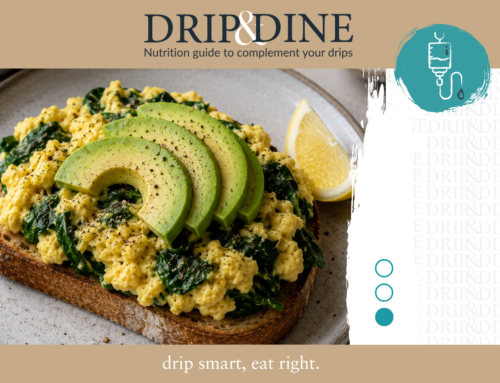
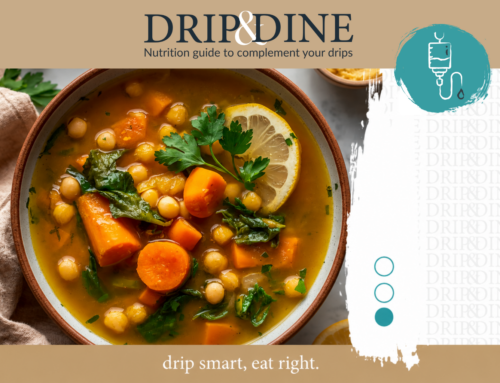
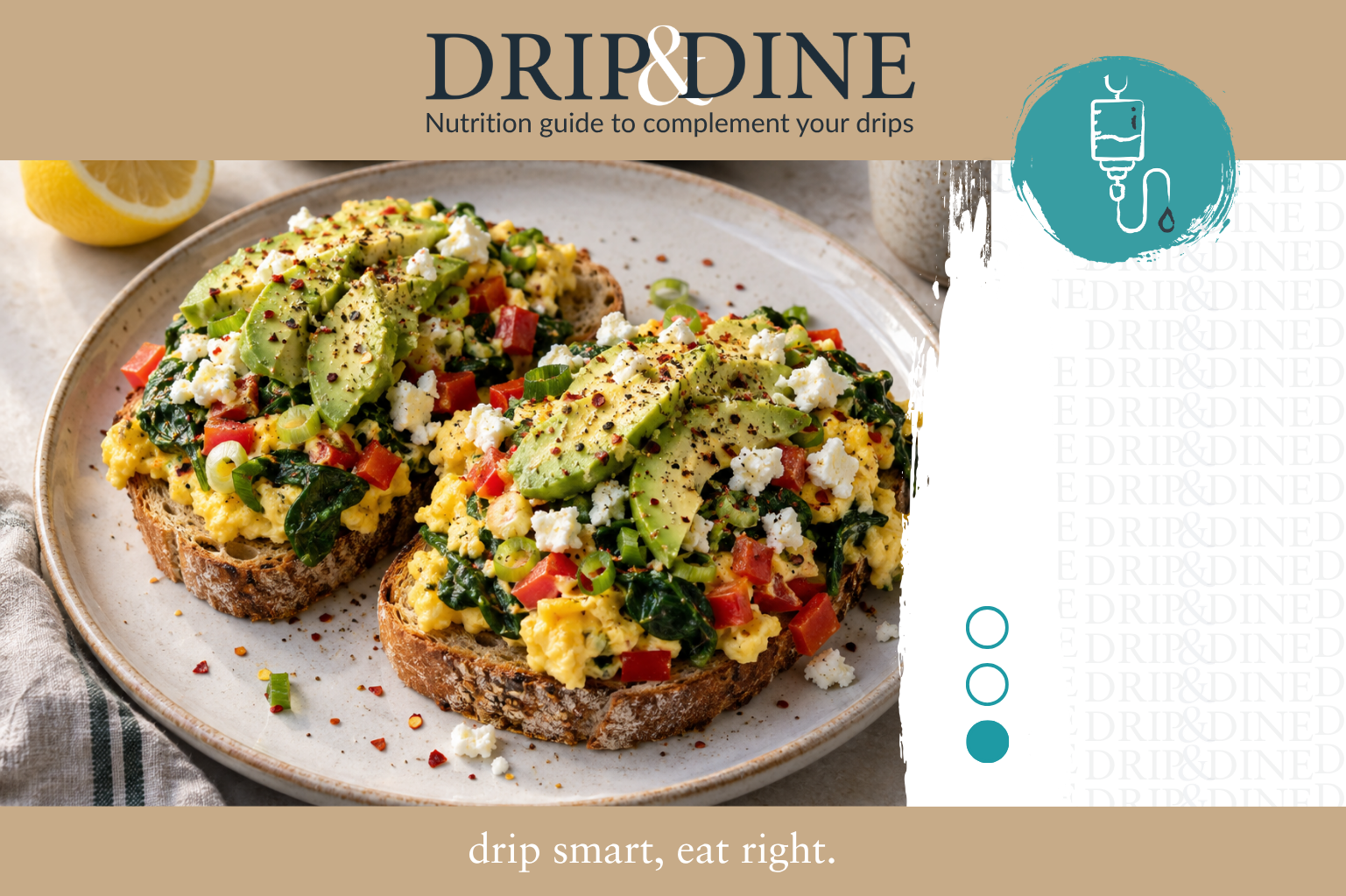
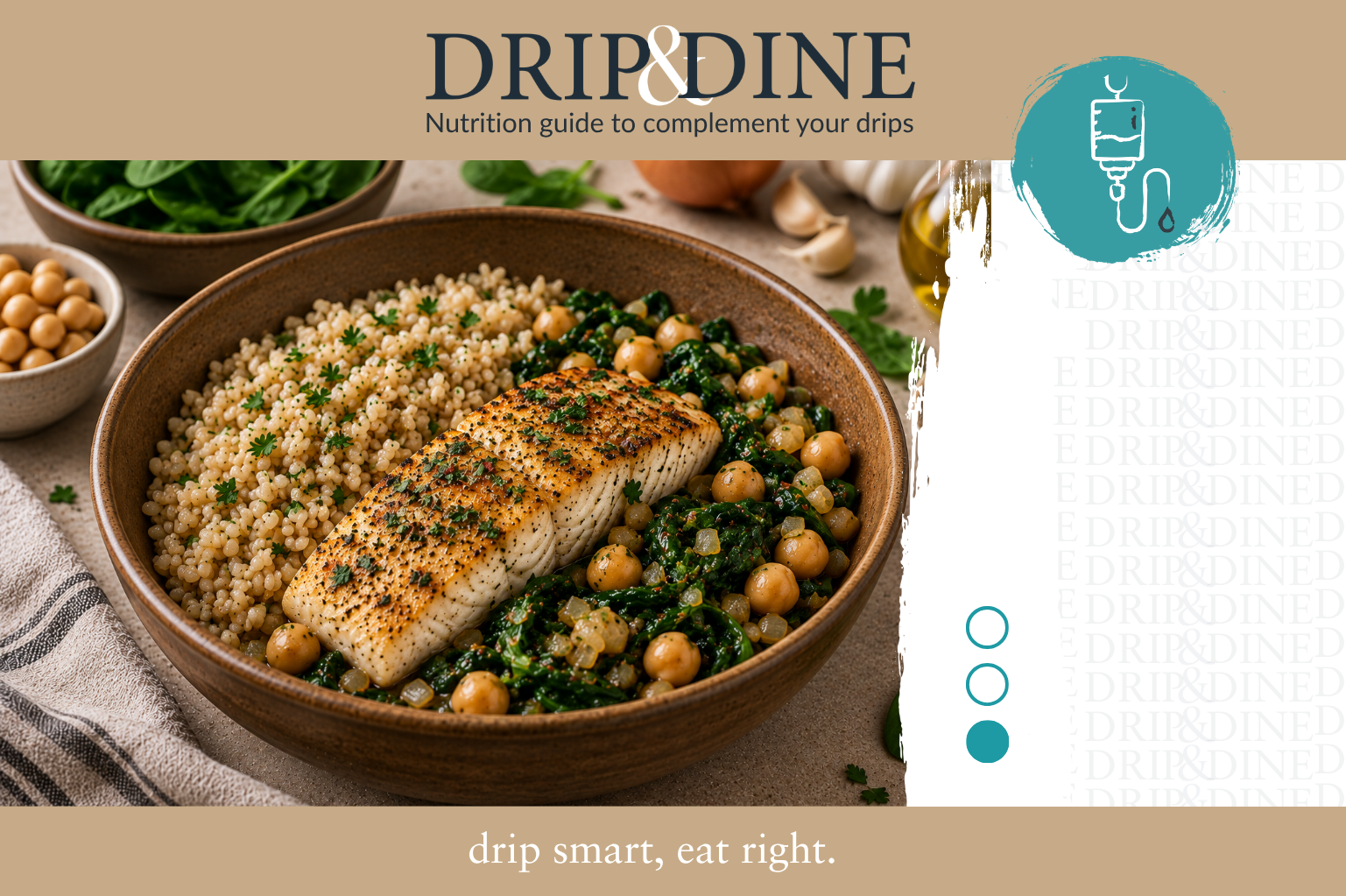
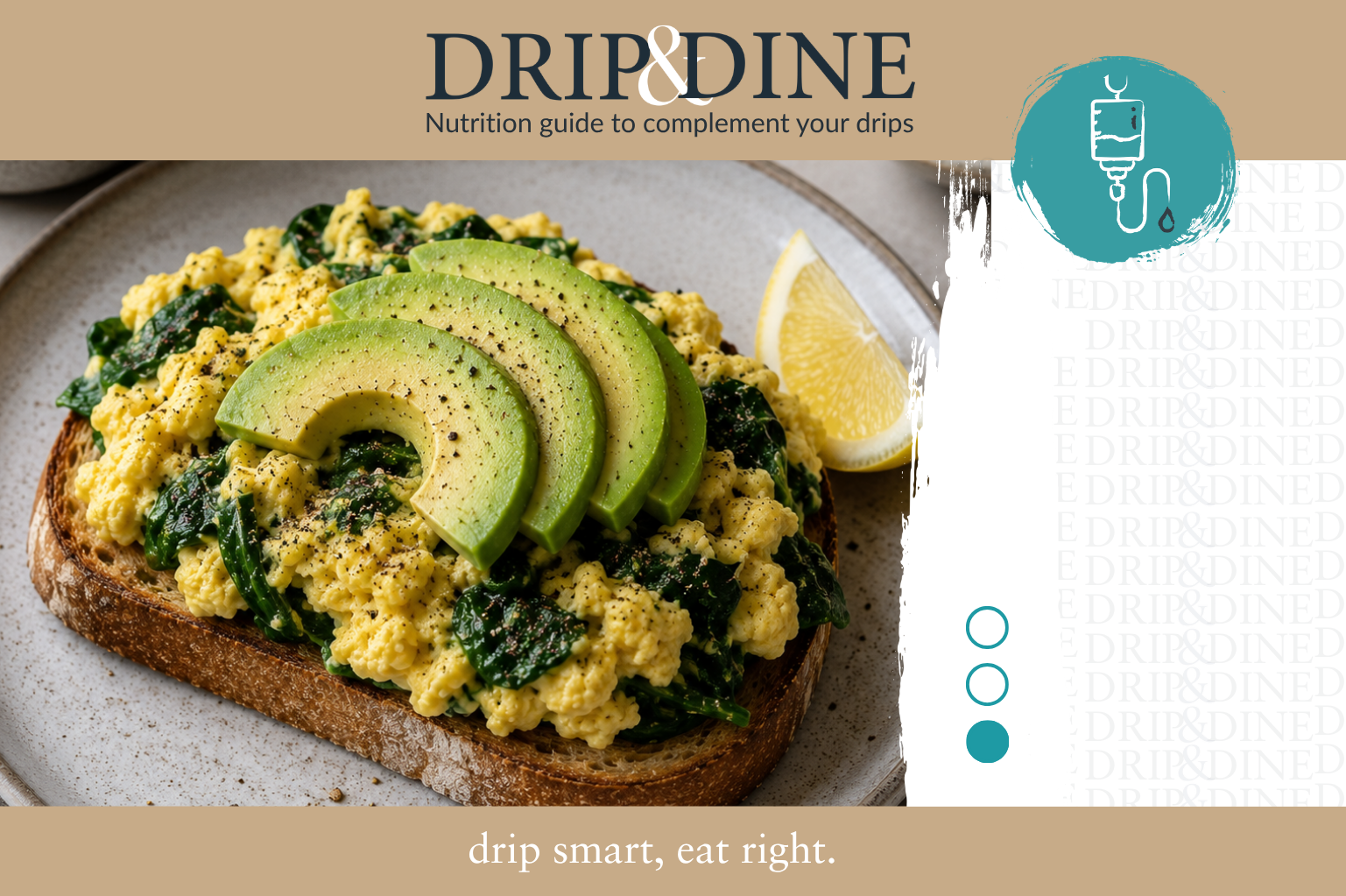
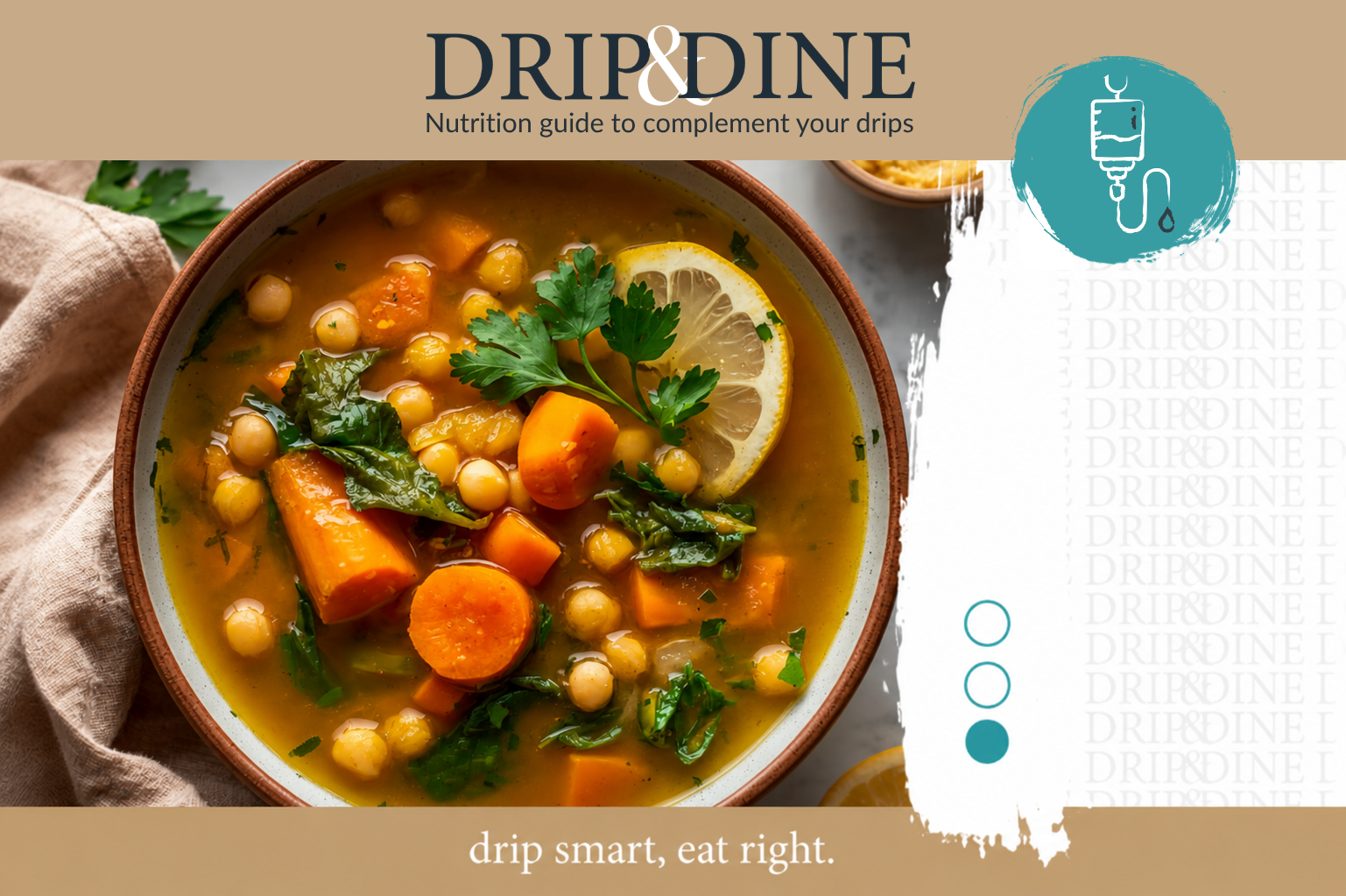
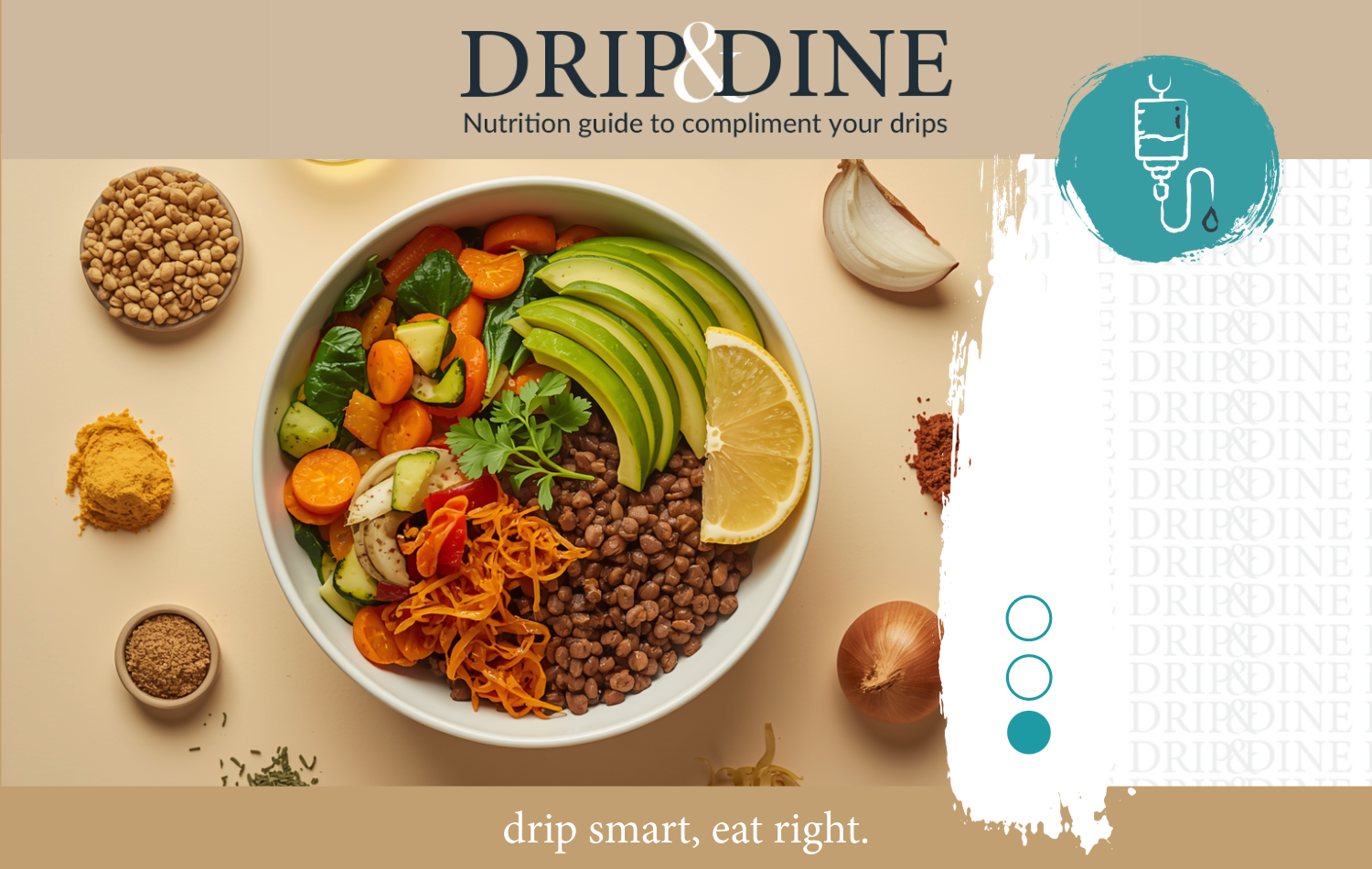
Drip & Dine Recipe
Why I love this:
This is exactly the kind of meal that helps you reach that “30 plant foods per week” goal, while being deeply nourishing and anti-inflammatory.
A Final Thought
Here’s what I’ve come to believe after years in this field:
Most people don’t need more information. They just need the right information that’s specific to them.
Your gut is not generic. Your microbiome is uniquely yours, shaped by your genes, your history, your diet, and your stress.
The way we support it should be just as individual.
Whether you start with a simple shift like eating more plants, or take it a step further with testing, or book a consultation – every step matters.
Your gut has been trying to tell you something.
It might be time to start listening.
P.S. The wonderful team over at The IV Bar is running a promotion that’s focused specifically on individual gut health. Until 11 May 2026, you can buy a DNA Core test for R5 999 and receive a FREE DNA GUT test, valued at R1 050.
You’ll also get personalised DNA insights, nutritionist-led feedback session, and tailored IV drip recommendations.
My advice? Don’t walk – RUN.
Yours in health,
Leigh-Ann Silber RD(SA)
Registered Dietitian | IV Wellness Partner