Perimenopause: Tired, Wired, and Not Feeling Like Yourself?
A deeper look at why you feel so different and what actually helps.
Night sweats. Weight gain that suddenly feels harder to manage. Mood swings, brain fog, poor sleep, anxiety, exhaustion. If any of this sounds familiar, you are not imagining it, and you are definitely not alone.
For many women, these are some of the first signs of perimenopause: the hormonal transition phase leading up to menopause. And despite what many people think, it’s not just about your monthly cycle. These hormonal shifts affect your brain, metabolism, sleep, mood, skin, energy, and overall sense of wellbeing.
What’s also important to know is that perimenopause can already begin in your late 30s – sometimes years before your periods stop completely. You do not have to wait until menopause to start supporting your body.
This month, we’re breaking it down simply, with practical nutrition, lifestyle strategies, and targeted IV support to help you feel more stable, supported, and like yourself again.
What’s Actually Going On?
As our ovaries gradually reduce production of oestrogen, progesterone, and testosterone, these hormones don’t decline neatly – they fluctuate.
And because oestrogen receptors exist in your brain, gut, bones, skin, and heart, you feel the effects everywhere.
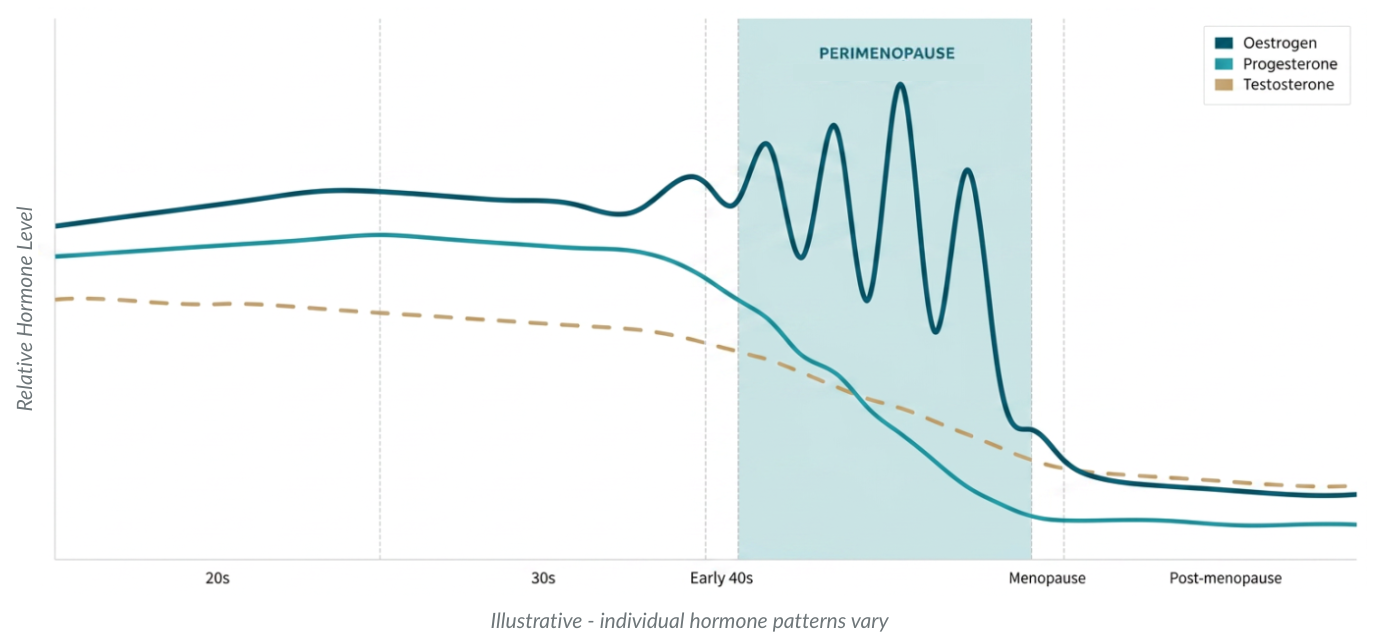
That’s why symptoms can feel so unpredictable:
- One week you feel fine
- The next you feel anxious, exhausted, inflamed, or emotionally flat
The best thing you can do?
Give your body the nutritional and lifestyle foundation it needs to navigate this transition with as much stability as possible.
5 Key Shifts (and What Actually Helps)
1. Hot Flushes & Hormonal Fluctuations
Fluctuating oestrogen is often responsible for those pesky hot flushes, night sweats, and sudden waves of heat.
The goal? Support healthy oestrogen metabolism and help buffer the swings.
Helpful nutrition & lifestyle support:
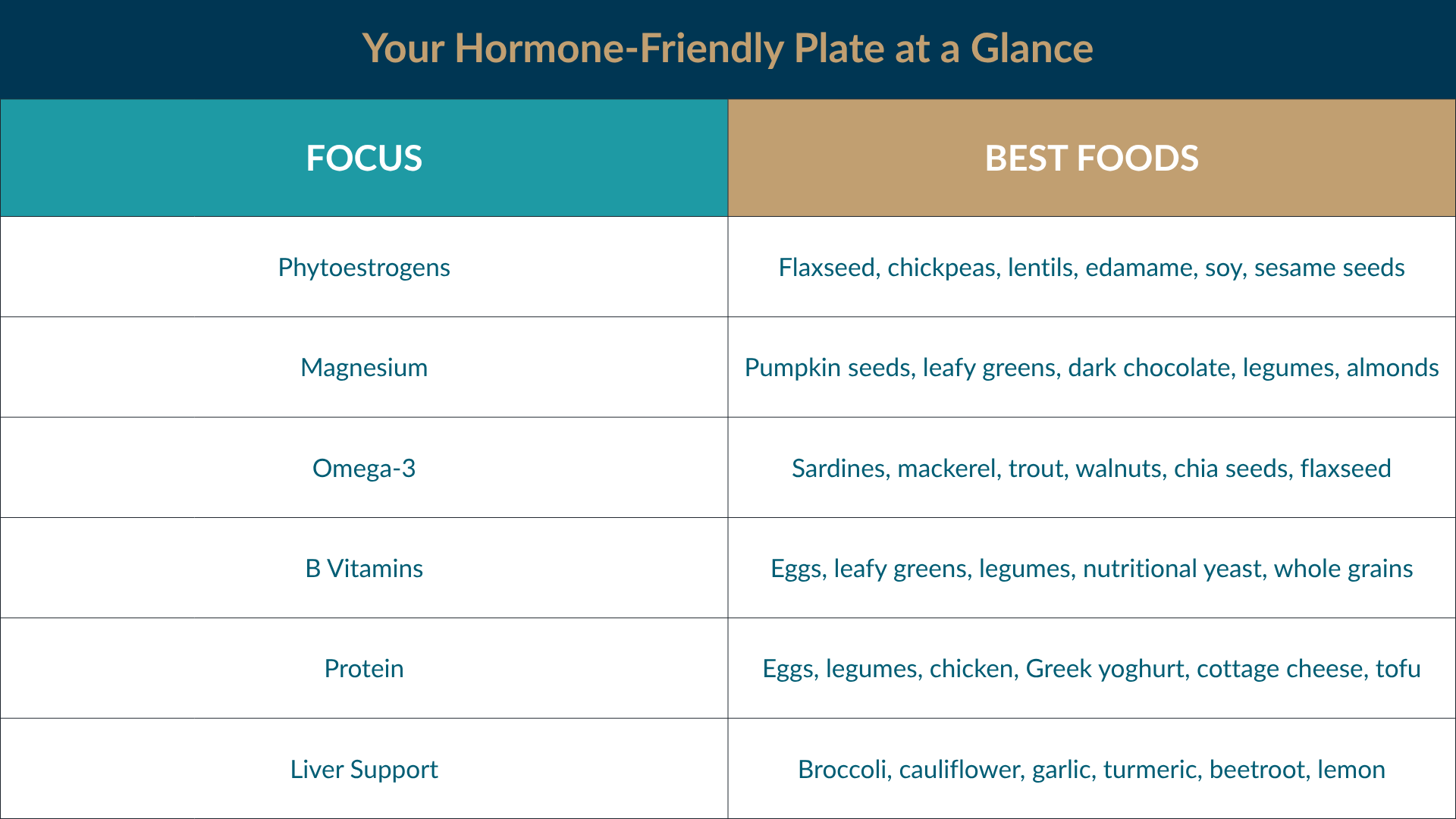
- Ground flaxseed (1–2 tbsp daily) — rich in lignans, one of the most researched plant compounds for hot flush support
- Chickpeas, lentils, edamame — phytoestrogens that gently support hormonal balance
- Broccoli, cauliflower, Brussels sprouts — support the liver in clearing spent oestrogen
- Reduce alcohol — it can worsen hot flush frequency and intensity
- Limit caffeine and spicy foods if they trigger symptoms for you
Product recommendation:
FemBalance Gummies: a convenient daily supplement containing Vitamin B6, Lemon Balm, and Dong Quai to support hormonal balance and calm. Take 2 gummies daily with food.
2. Stress, Cortisol & the Anxiety You Can’t Explain
High cortisol suppresses progesterone, your calming hormone.
When progesterone drops, anxiety, irritability, and that “wired-but-exhausted” feeling often follow.
What helps:
- Magnesium-rich foods daily: leafy greens, pumpkin seeds, legumes, dark chocolate
- Magnesium glycinate (300–400mg at night) supports nervous system regulation and recovery
- Eat regular meals (skipping meals spikes cortisol)
- Cut caffeine after midday
- Choose supportive movement: walking, yoga, strength training
- Prioritise rest as seriously as exercise
- Ashwagandha (KSM-66 extract, 300–600mg daily), one of the best-studied adaptogens for stress support
Product recommendation:
3. Sleep: Why It’s Broken and How to Support It
Progesterone acts as a natural calming hormone. As levels decline, sleep often becomes lighter and more disrupted.
Add fluctuating oestrogen and melatonin disruption, and you get the classic 2–3am wake-up so many women describe.
Helpful strategies:
- Eat a small protein-rich snack before bed to stabilise blood sugar
- Include tryptophan-rich foods at dinner: eggs, turkey, nuts, seeds
- Magnesium glycinate before bed can support relaxation
- Keep your room cool – even slight temperature drops improve sleep quality
- Limit alcohol and screen exposure before bed
Product suggestion:
4. Weight Changes: It’s Biology, Not Willpower
As oestrogen declines, fat storage tends to shift toward the abdomen, while insulin resistance often increases.
This is not a lack of discipline. It’s a hormonal shift that simply requires a different strategy.
Focus on:
- Protein at every meal (aim for 1.2–1.6g/kg body weight daily)
- Low-GI carbohydrates like oats, legumes, sweet potato, and brown rice
- Healthy fats: avocado, olive oil, nuts, seeds
- Strength training 2–3 times weekly to preserve muscle and metabolic rate
- Eating breakfast to support cortisol and blood sugar regulation
- Managing stress consistently, as cortisol strongly influences abdominal fat storage
5. Mood, Brain Fog & Emotional Resilience
Oestrogen influences serotonin, dopamine, and norepinephrine – all key neurotransmitters involved in mood, focus, and emotional stability.
So when hormones fluctuate, mental clarity and resilience often fluctuate too.
This is hormonal, and not a character flaw.
Nutritional support that helps:
- Oily fish 2–3 times weekly (sardines, mackerel, trout) or a quality omega-3 supplement
- A daily B-complex vitamin for neurotransmitter production
- Check your vitamin D levels – deficiency is incredibly common
- Eat a diverse, fibre-rich diet to support the gut microbiome
- Reduce ultra-processed foods that drive inflammation
- Prioritise social connection – it genuinely matters during this phase
Product recommendation:
Purest Omega 3 Wild Alaskan Fish Oil
When Food & Lifestyle Need Extra Support
Nutrition and lifestyle are your foundation, and they are powerful.
But sometimes, especially when symptoms are intense or nutrient depletion is significant, targeted IV support can help bridge the gap faster than food alone.
The IV Bar’s Menopause Assist Drip was formulated specifically for this phase of life. It delivers Vitamin B12, Glutathione, Vitamin C, and Biotin directly into the bloodstream for immediate absorption.

What clients commonly report:
- Reduced hot flushes
- More stable mood
- Better energy
- Improved mental clarity
- Healthier skin, hair, and nails
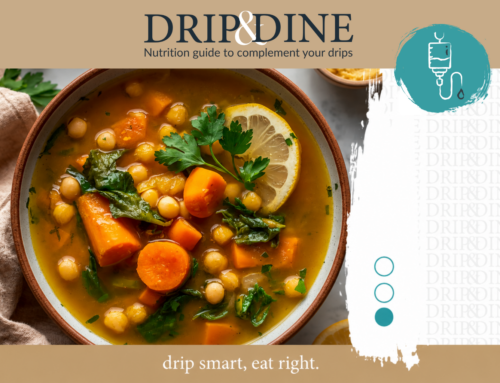
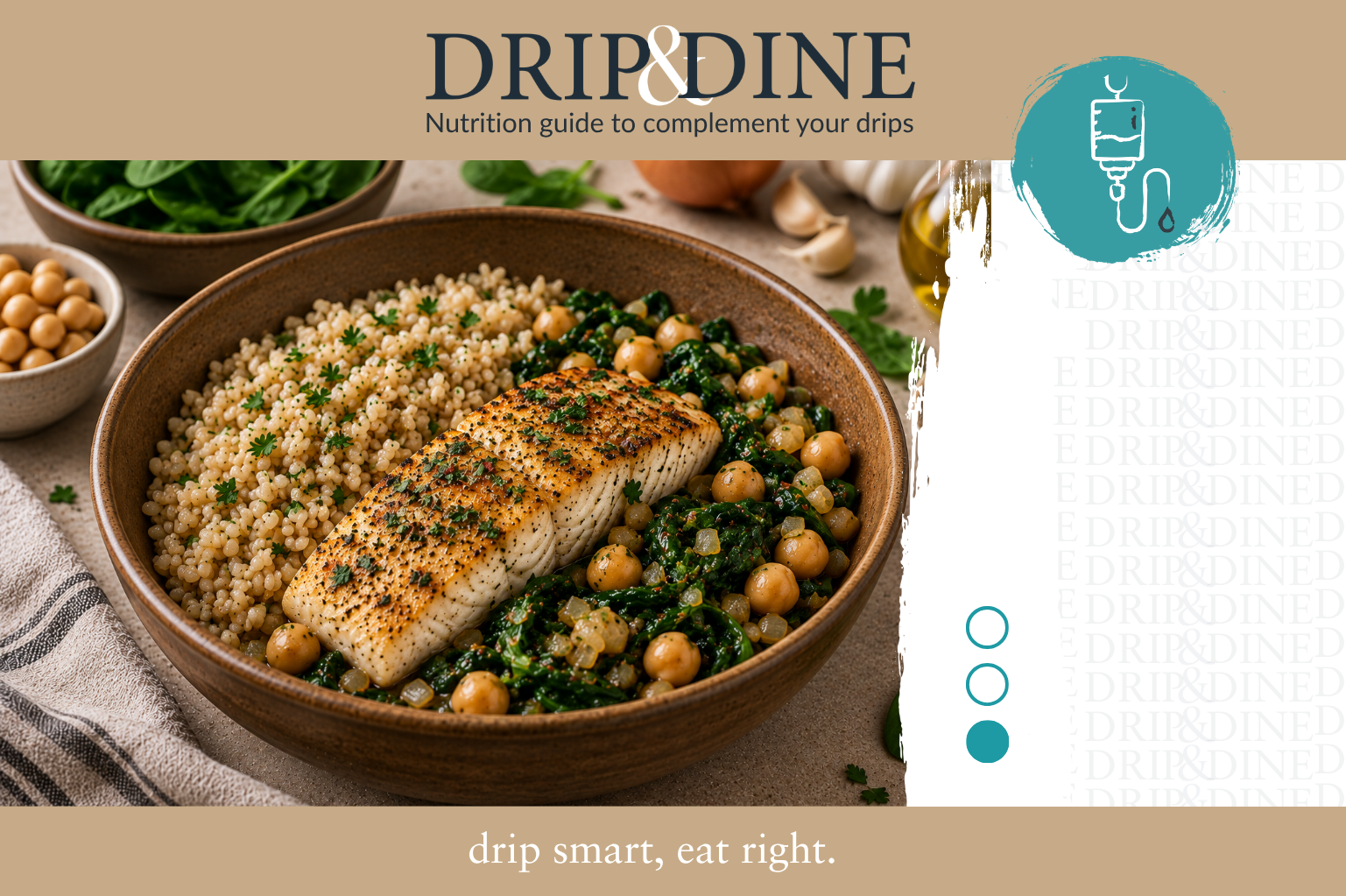
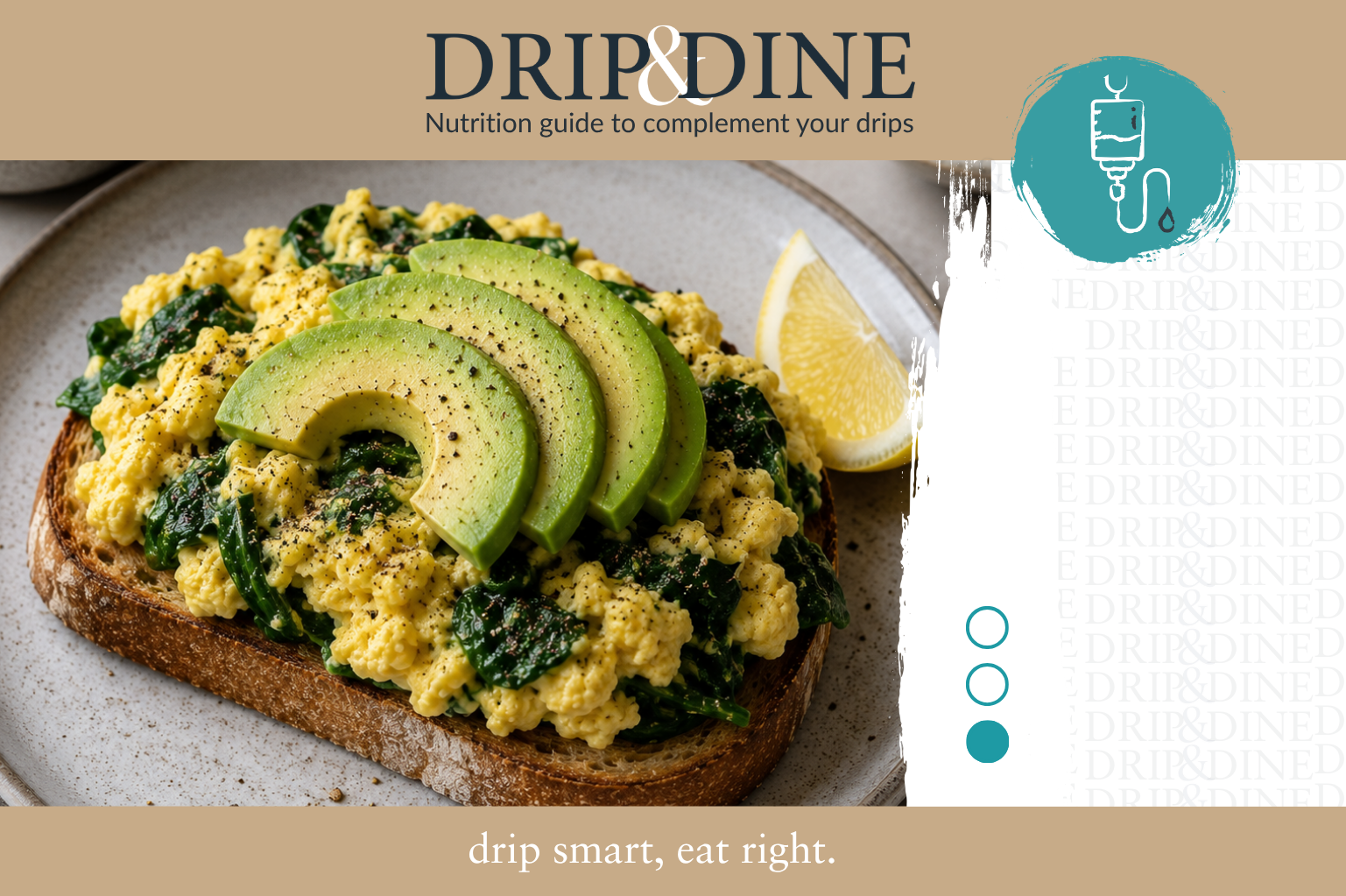
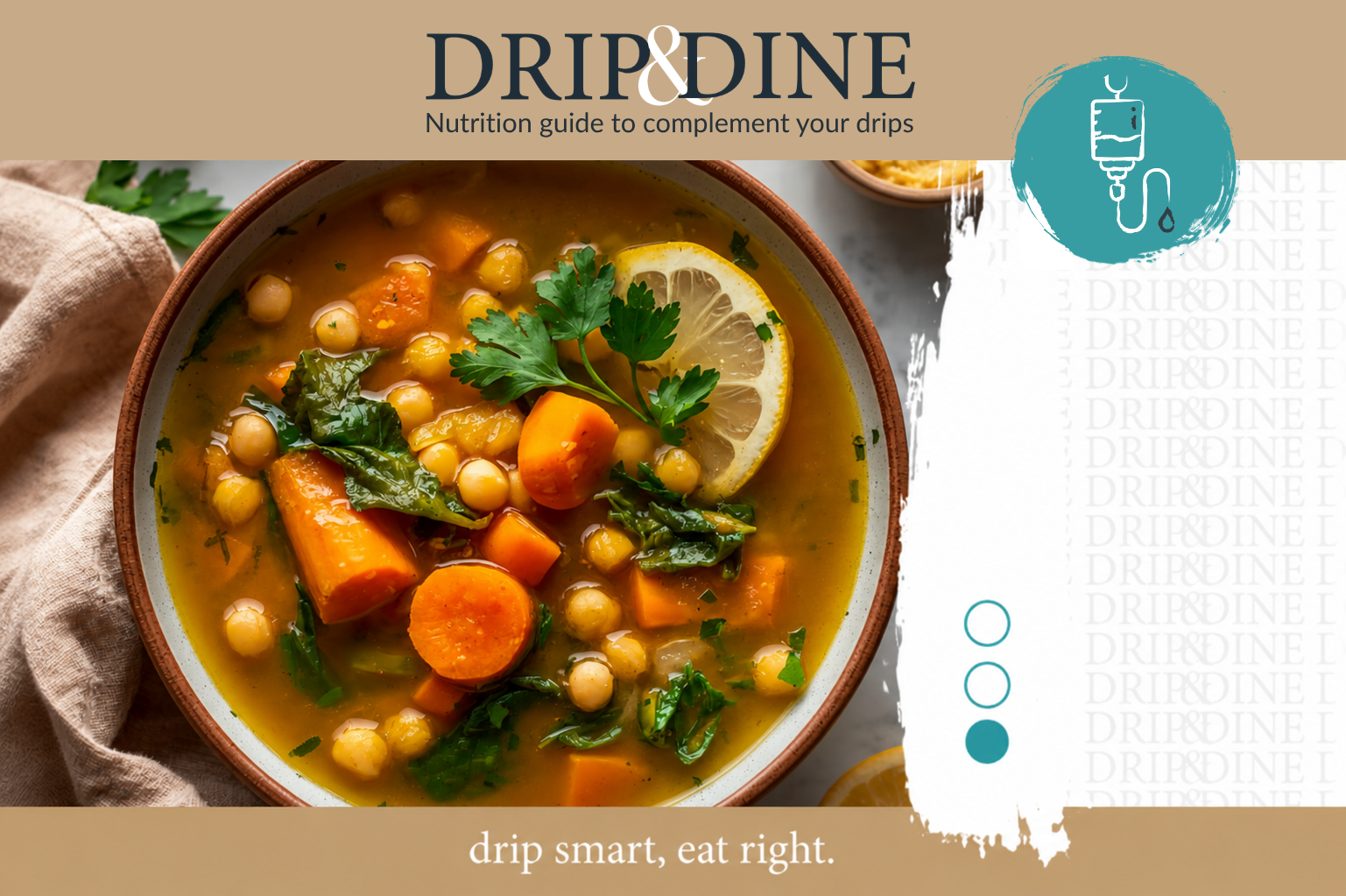
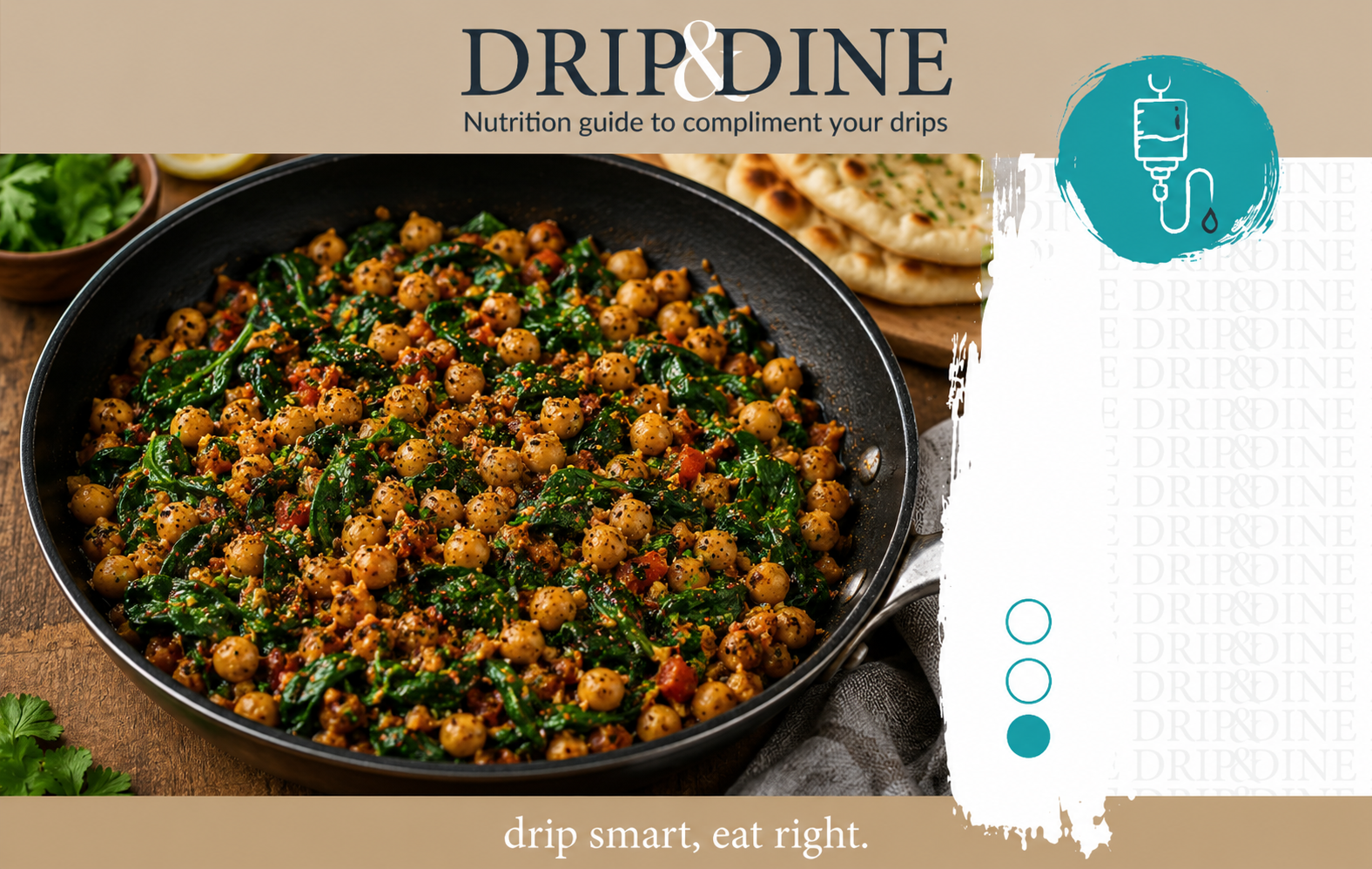
Drip & Dine Recipe
Why I love this:
One pan. Twenty minutes. Budget-friendly. Packed with phytoestrogens, magnesium, fibre, and liver-supportive spices.
A Final Thought
I cannot stress this enough: If you’re struggling, you do not have to simply push through this phase.
Start with food. Build supportive lifestyle habits. And when you need extra help, reach out for personalised support.
Perimenopause is a major transition, but with the right tools, it can feel far more manageable than many women expect.
Until next month, nourish deeply and rest well.
Yours in health,
Leigh-Ann Silber RD(SA)
Registered Dietitian | IV Wellness Partner
083 708 3337 | Leigh-ann@silber.co.za