“Stronger Bones, Stronger You”
From Me to You
As a dietitian, I’ve always known how important bone health is — but recently, I’ve been seeing more and more women diagnosed with osteoporosis in their 50s, 40s, even late 30s.
And honestly, I’ve also started paying more attention to my own bones. I want to stay active, live pain-free, and enjoy the best quality of life as I age — and I know strong bones are key to that.
In this newsletter, I’m breaking down exactly what you can do to protect your bones — and what to do if you’ve already had a scary DEXA scan.
Why Bone Health Matters After 40
Oestrogen protects your bones. But once menopause hits, your bone breakdown can outpace bone-building – making your skeleton weaker, porous, and prone to breaks.
Here’s the scary part: osteoporosis is silent. No pain, no signs… until a fracture.
Quick facts:
- 1 in 2 women over 50 will break a bone due to osteoporosis
- Men get it too (about 1 in 5 over 50), but women are at higher risk
- Bone loss begins silently — you may not feel it until there’s a fracture
Where to begin? Ask your doctor for:
Blood tests:
- Vitamin D3: Low levels = higher fracture risk
- Calcium: To rule out imbalances (but not always a reflection of intake)
- Parathyroid Hormone (PTH): Regulates calcium
- Thyroid Panel: Overactive thyroid = bone loss
- Oestradiol & Testosterone: Check if hormones are supporting bone tissue
- CRP / Inflammation Markers: Chronic inflammation accelerates bone loss
Bone Mineral Density Scan (DEXA)
This is the gold standard. If you’re postmenopausal or over 50, ask your doctor if it’s time. It shows your T-score – the number that tells if your bones are strong, thin (osteopenic), or at high risk (osteoporotic).
What you can do right now
Move – with purpose
Strength training and weight-bearing exercises like walking, hiking, dancing, and Pilates help bones stay dense and strong. Resistance bands or weighted vests (yes, really!) are amazing tools to build strength without strain.
Nourish your bones
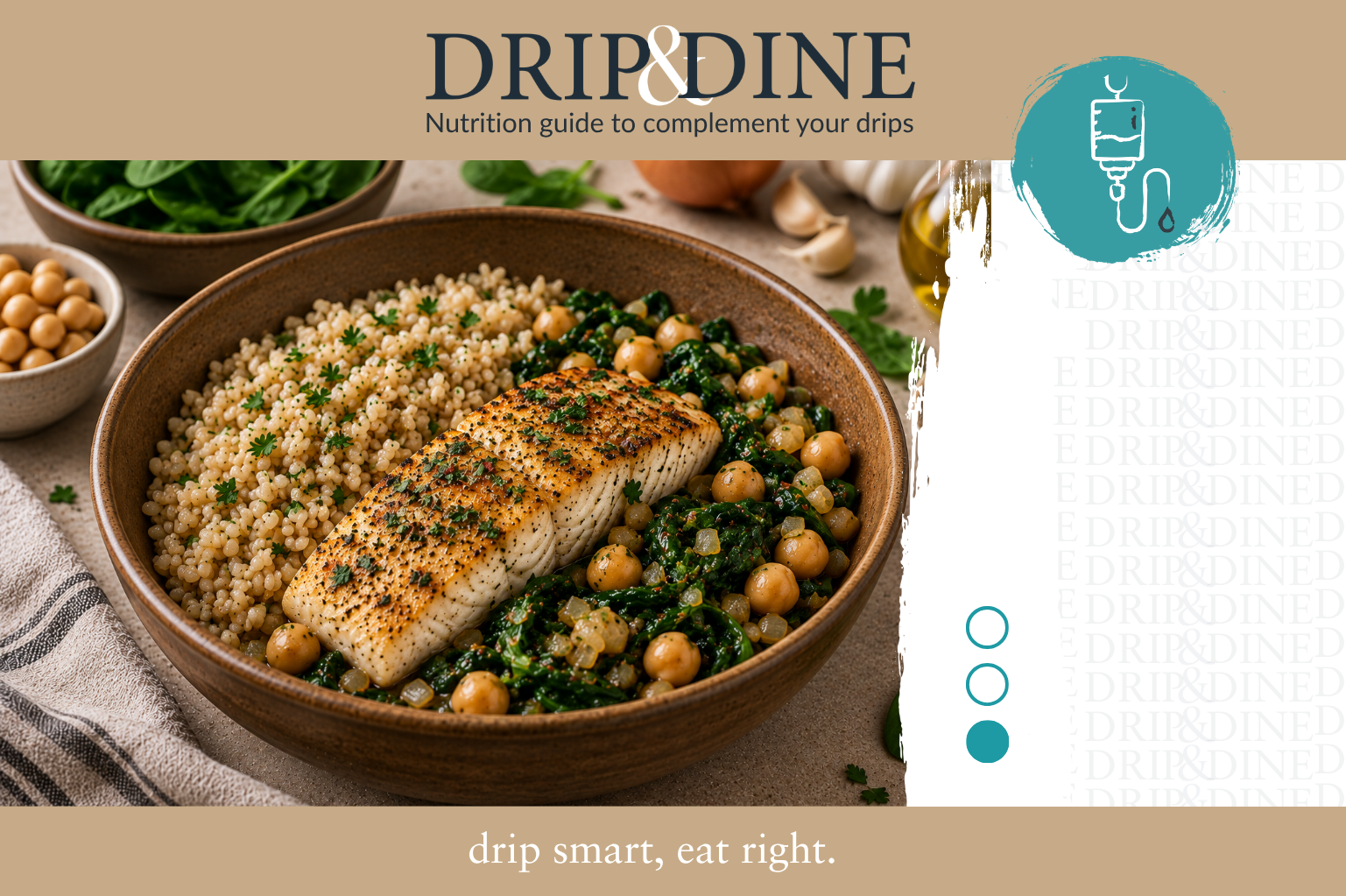
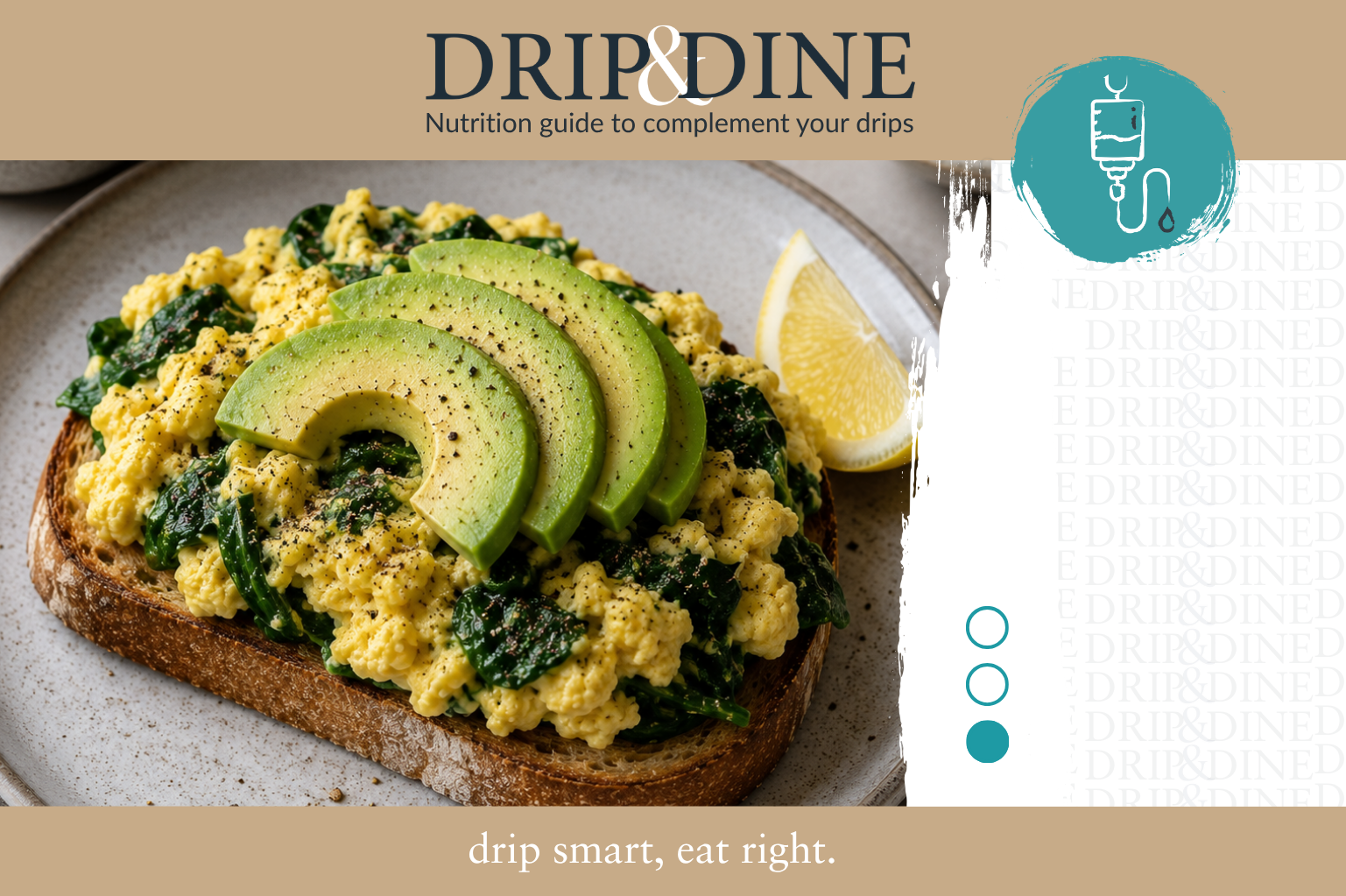
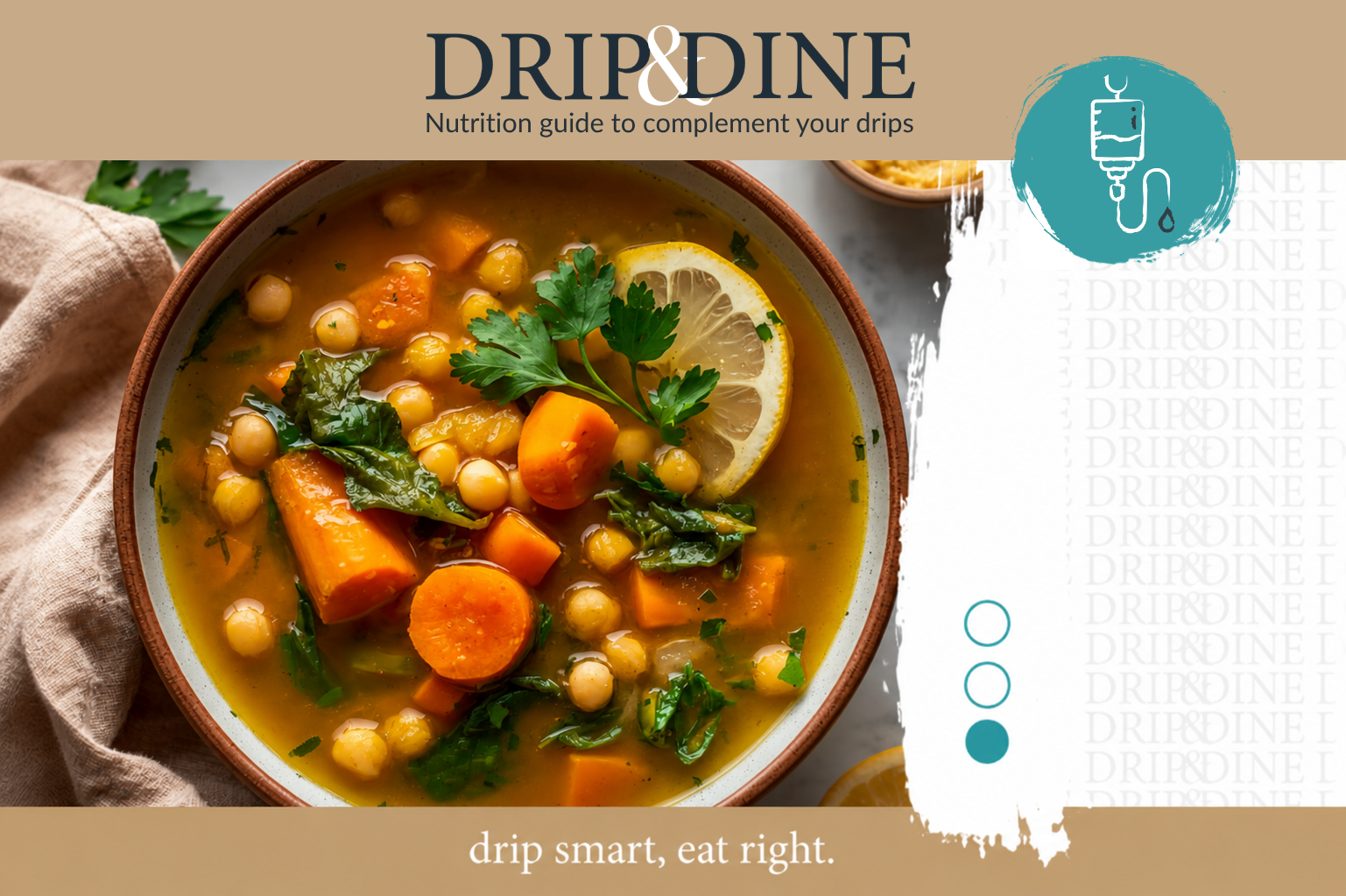
- Calcium-rich foods: low-fat cheese, Greek yogurt, cooked spinach, white beans, firm tofu
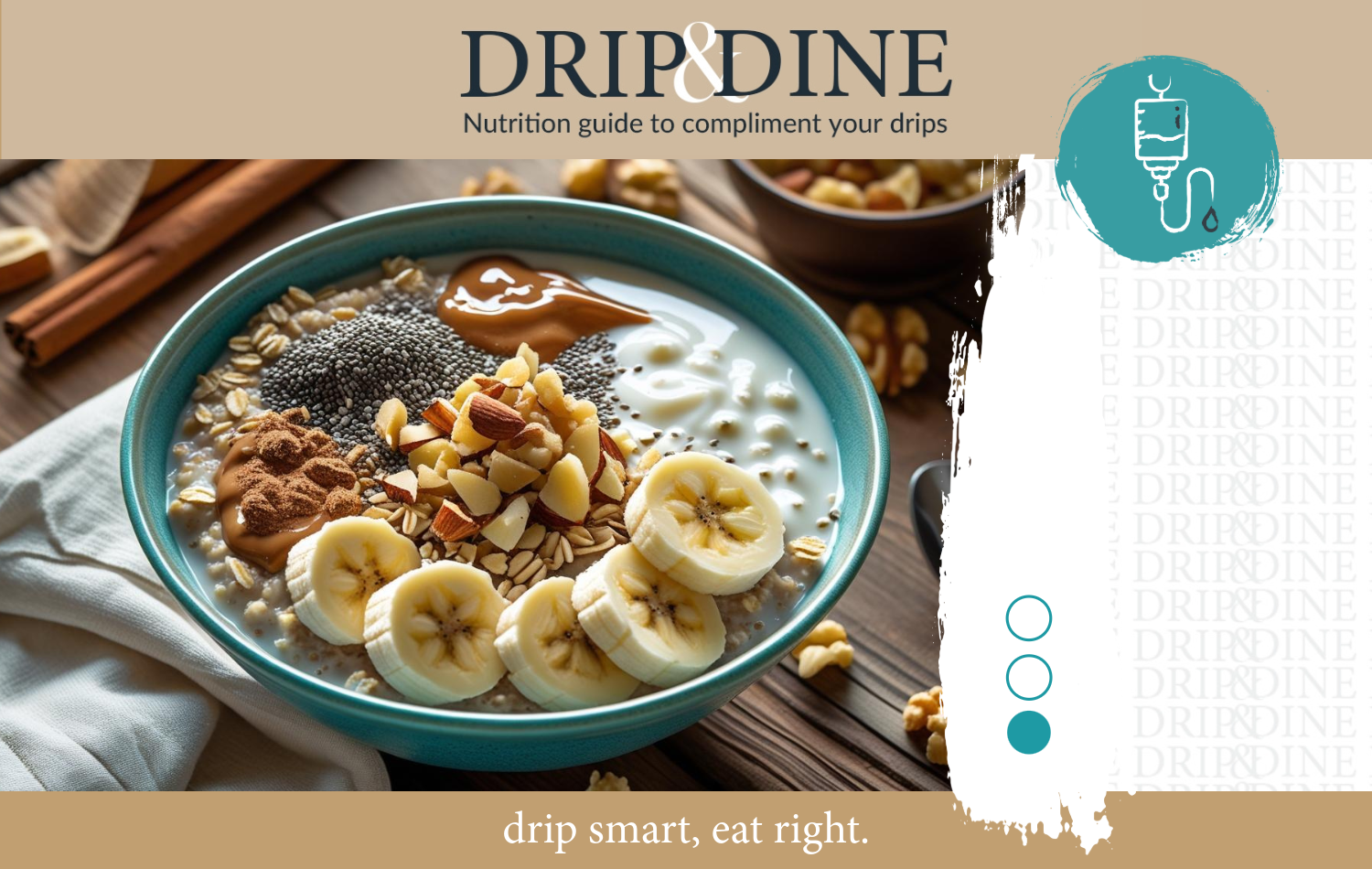
- Magnesium: oats, black beans, pumpkin, dark chocolate, avocado
- Vitamin D: safe sun exposure, eggs, fortified foods
- Vitamin K2: found in fermented foods (like sauerkraut and natto), or supplement form
- Protein: every bone cell contains protein — don’t skimp!
- Cut bone robbers: watch your salt, sugar, and soft drink intake
- Avoid crash dieting: it’s a fast track to bone loss
Rethink the Extras
- Cut back on fizzy drinks, high caffeine, and excess alcohol – all leach calcium
- Stop smoking or vaping — it accelerates bone loss
- Manage stress and sleep — cortisol messes with bone-building hormones
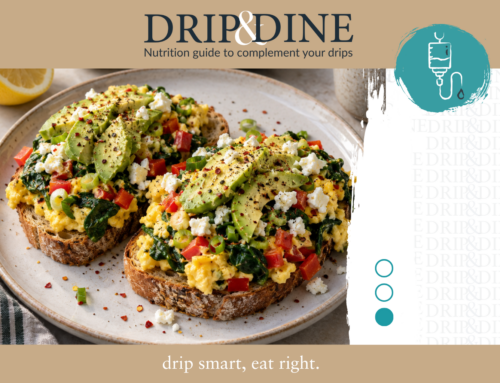
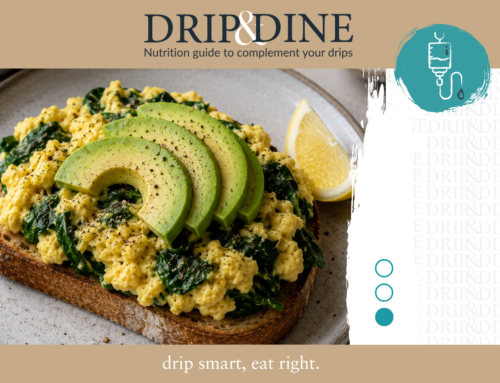
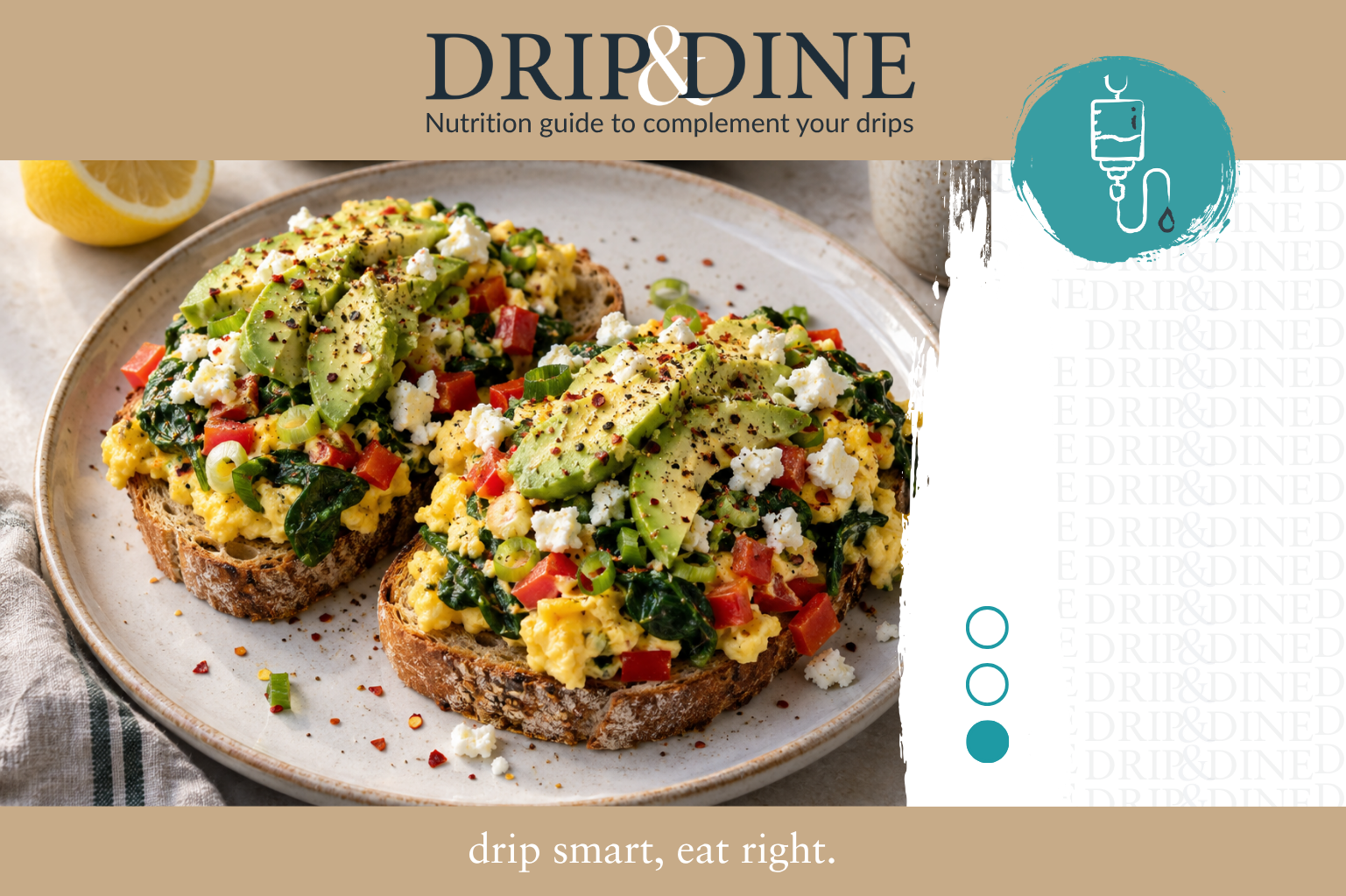
Try my Bone Builder Breakfast Bowl. A warm, creamy bowl loaded with bone-loving nutrients
What You Can Do (Now) to Prevent or Slow Osteoporosis
Supplements That Actually Work
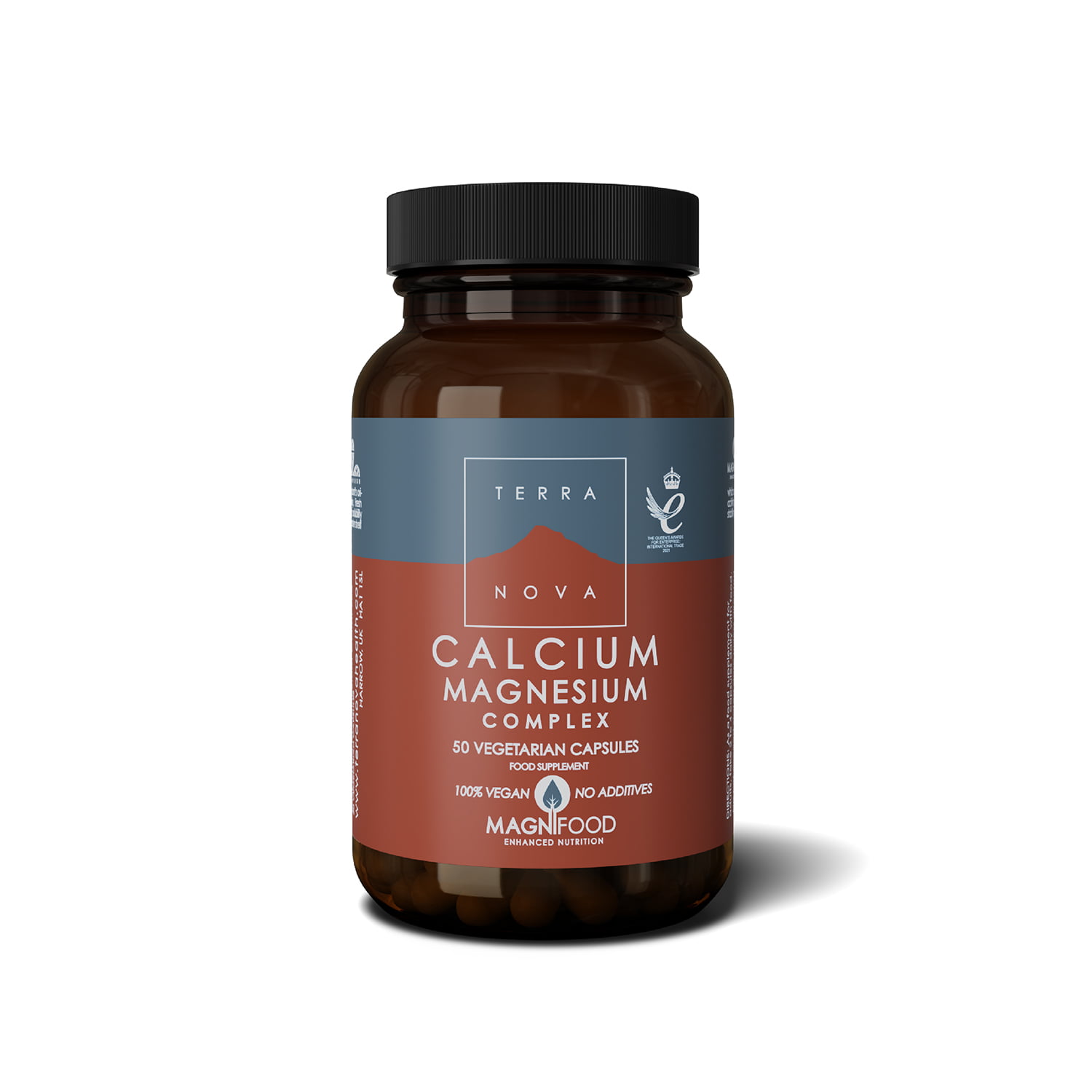
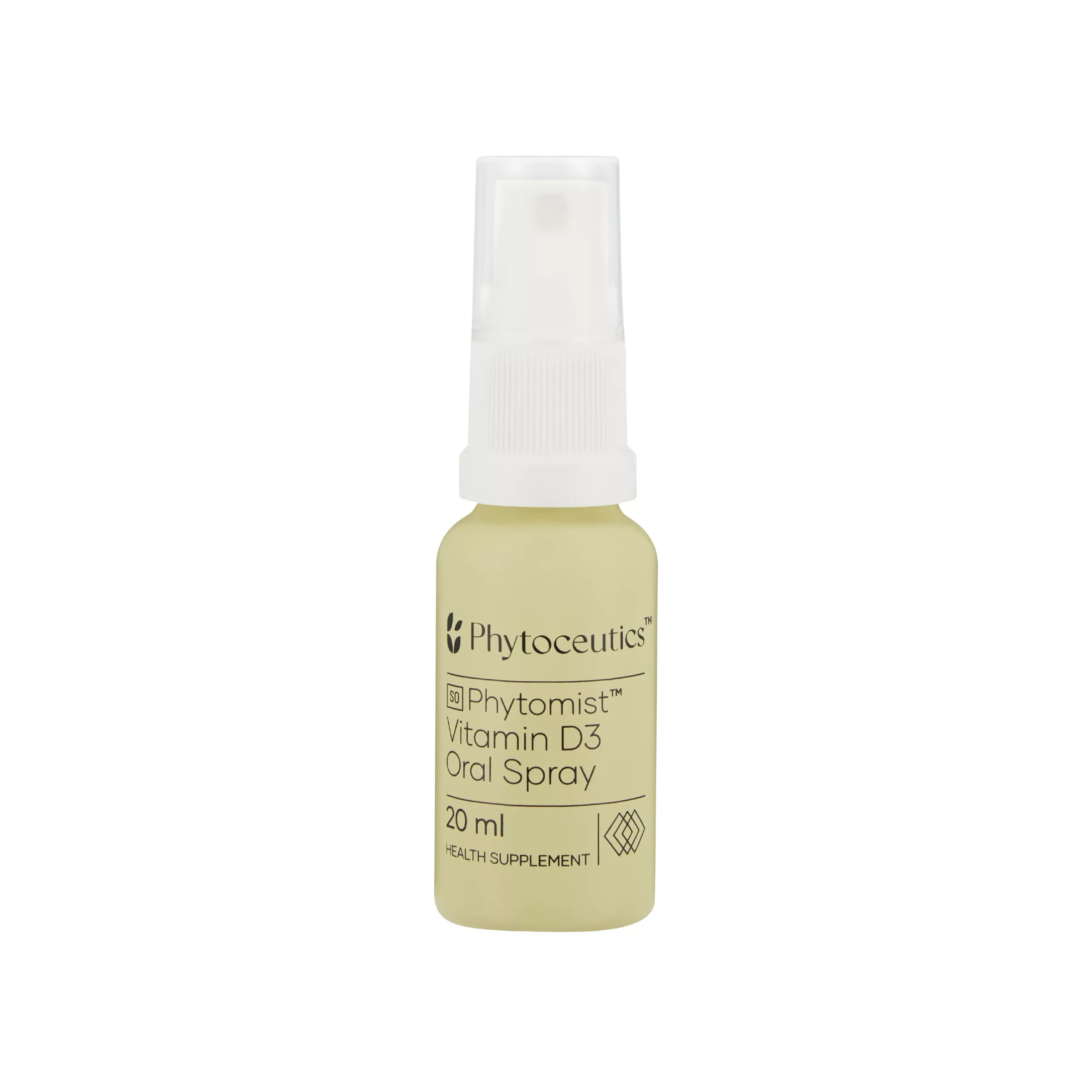
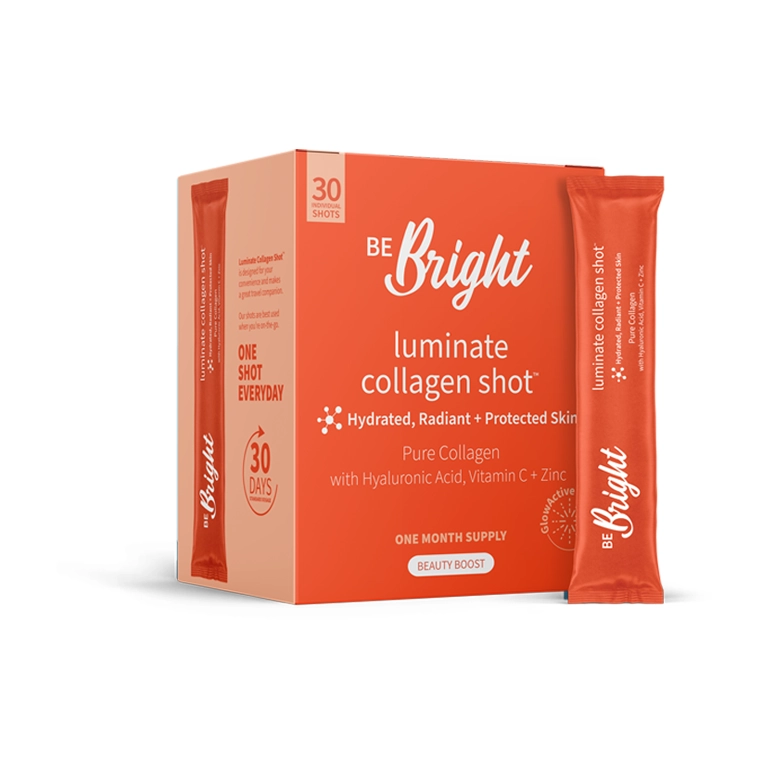
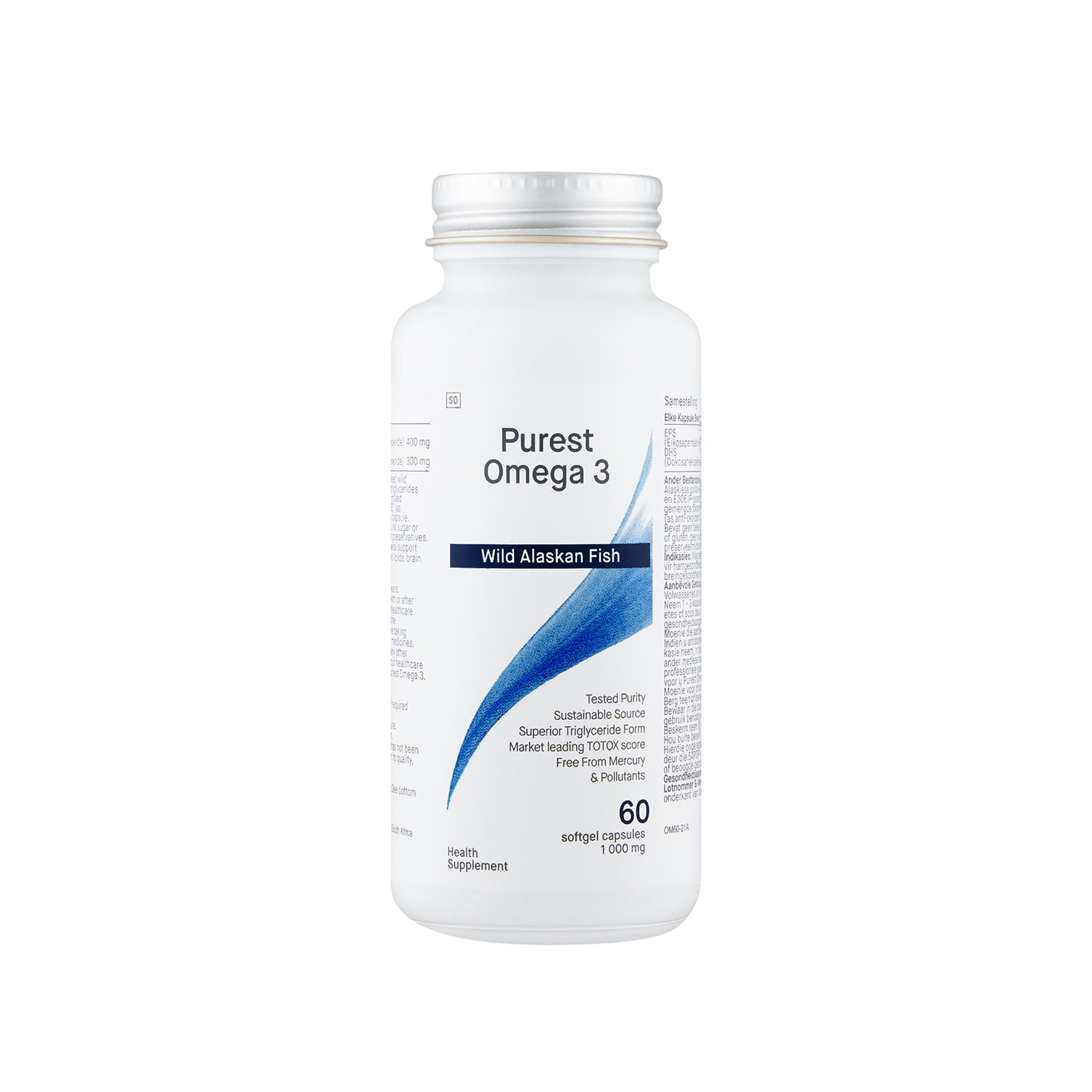
These products can be purchased online here or at any of our IV Bars nationwide.
Drips That Help
High dose Vitamin C and magnesium, which are both found in several of our drips, help protect bones from damage and support collagen production.
Whether you’re 35 or 65, it’s never too early or too late to protect your bones. Think of it as your “bone bank” — and every smart choice is a deposit.
Stay strong, stay curious, and keep living well.